
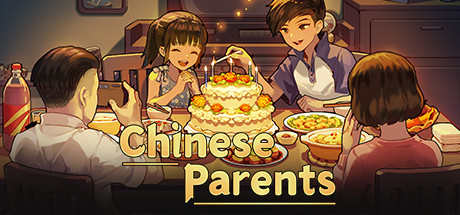
Chinese Parents CD Key
Looking for the best price for Chinese Parents? Compare offers from 1 stores on CheckGamePrices to find the cheapest Steam key available. Right now, the lowest price is 5.49$ at Steam.
Current Lowest Price
5.49$

Visit store


Release Date
28 Sep, 2018
Publisher/Developer
墨鱼玩游戏
Reviews
Steam: 91.24% positive (21196/23230)
Metacritic: -
Game Tags
System Requirements
Minimum:
- OS: XP, Vista, 7, 8, 10
- Processor: Intel Pentium III 800 MHz+
- Memory: 2 GB RAM
- Graphics: 1024x768 High Color +
- DirectX: Version 9.0
- Storage: 500 MB available space
Recommended games




Chinese Parents Steam Price History Chart
Current Steam price: 5.49$
Lowest Steam price ever: 5.49$ — 2026-10-20 — Current low
Lowest Steam price ever: 5.49$ — 2026-10-20 — Current low
Loading Chinese Parents price history chart...
Chinese Parents Reviews Summary
Users wrote
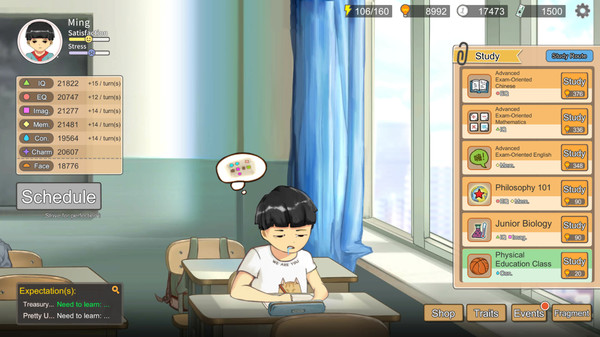
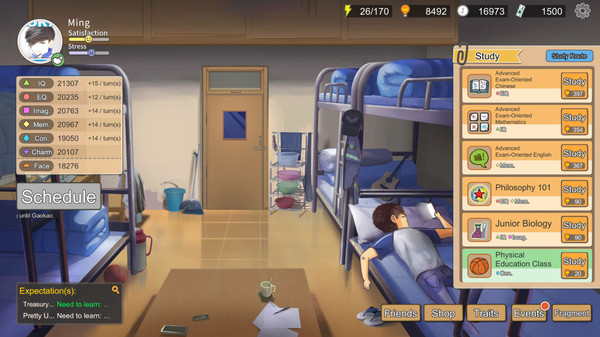
The reviews largely praise the game for its realistic, nostalgic portrayal of Chinese family life and the education system, especially the birth-to-gaokao arc that resonates with many players. Many players also appreciate the high replayability from multi-generational play and the variety of endings, careers, and inherited traits. The writing, humor, and hidden details (Easter eggs) are frequently highlighted as charming and thoughtful. However, several reviews criticize the game for repetitive gameplay, stereotypes, and limited depth, noting that the loop can feel grindy and the content may not evolve much over time.
Last updated: 2026-03-09
Most Mentioned Advantages
- Realistic, nostalgic portrayal of Chinese family life and education (52 mentions) - The game mirrors a child’s life from birth to gaokao, capturing family dynamics, exam pressure, and social expectations. Players often feel a strong emotional connection, with memories and relatable moments reflected in the scenes and choices. The tone blends light humor with serious themes, helping balance mood while exploring real-life issues. It resonates as a reflection on education and parental pressure that many readers find authentic.
- High replayability through multi-generational gameplay and many endings (41 mentions) - Players can pass traits and money to the next generation, unlocking a wide range of careers and endings. There are many paths to explore, and each generation reshapes the family’s story. The game rewards continued play with evolving challenges and new dialogue options. This depth supports long-term engagement beyond a single playthrough.
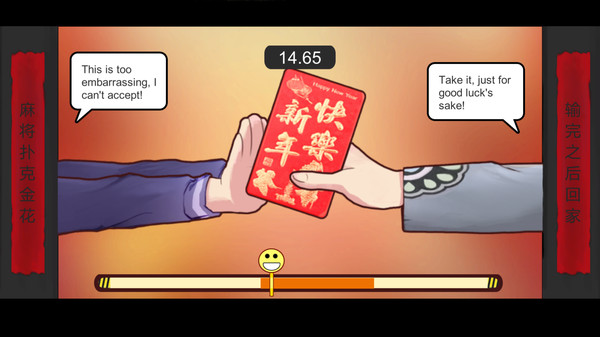
- Engaging writing, humor, and Easter eggs (32 mentions) - Witty dialogue and cultural memes appear throughout, adding charm and levity to the game’s heavier themes. Hidden details and playful references (Easter eggs) appear across generations, rewarding players who pay attention. The writing helps characters feel relatable and memorable. These elements contribute to a warm, entertaining experience.
- Accessible for casual play and easy to pick up (28 mentions) - The core mechanics are simple to learn, making it suitable for relaxed play or a time-killer session. Players can enjoy short sessions without needing deep knowledge of complex systems. The approachable design invites long-term play for those who want to revisit different life paths. It remains friendly to new players while offering nostalgia for veterans.
Most Mentioned Disadvantages
- Repetitive and grindy gameplay across generations (59 mentions) - After initial curiosity, many players find the core loop becomes repetitive across generations. Reaching later endings often requires repeating similar actions and managing the same core systems. The grind can sap motivation, especially for players aiming for full completion. The repeated cycles may feel like doing the same tasks with minor variations.
- Stereotypes and gender portrayal criticized by players (42 mentions) - A significant number of reviews call out heavy reliance on stereotypes and gender caricatures. Some players feel the game reinforces outdated or insulting ideas about women and family dynamics. This tone can alienate players seeking a more nuanced or respectful portrayal. It remains a major point of contention for parts of the audience.
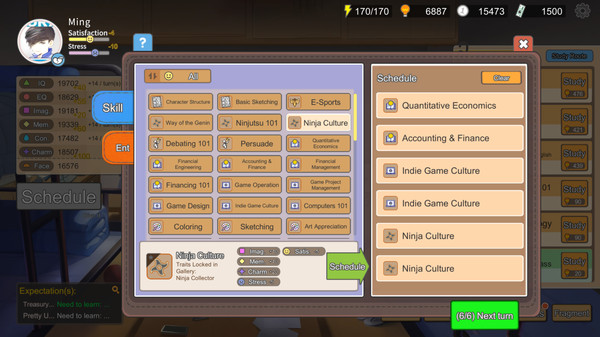
- Limited depth and slow progression; events feel similar (36 mentions) - Multiple reviewers note that the game lacks depth beyond the surface loop of studying and improving stats. The number of unique events and meaningful choices dwindles over time, making later generations feel similar to earlier ones. Some players wish for more varied content or innovative mechanics to keep engagement high.
- Technical issues and uneven updates (21 mentions) - There are reports of bugs, crashes, or updates that affect playability (e.g., post-update issues). Some players felt development slowed or updates were infrequent, reducing long-term support for the game. Technical problems detract from otherwise engaging content for a portion of players.
Compared Games
- Princess Maker (12 mentions) - Many reviewers compare it to Princess Maker, noting similar life-sim mechanics focused on raising a child and guiding their future. Some see it as a simpler or more niche take, while others view it as a comparable experience with its own cultural twist.
- Volcano Princess (6 mentions) - Some comparisons draw parallels to Volcano Princess in theme and style of life-sim elements, with emphasis on character interactions and growth.
- Growing Up (4 mentions) - A number of reviews reference Growing Up as a Western counterpart with similar life-simulation goals, noting differences in tone and presentation.
- I was a Teenage Exocolonist (3 mentions) - A few reviewers mention I was a Teenage Excolonist when discussing the game’s branching narrative and life-cycle feel, highlighting differences in setting and mechanics.
- BitLife (2 mentions) - BitLife is occasionally cited as a broader life-sim comparison for its structure and generational progression, though critics note the Chinese Parents game has different cultural specificity and pacing.
Users wrote
Advantages mentioned by the majority
Less frequently mentioned disadvantages
Comparisons to other games