Wandering Sword CD Key
Embark on a captivating Wuxia adventure in Wandering Sword, exploring over 75 breathtaking locations across diverse regions of ancient China. Experience innovative turn-based and real-time combat, cultivate martial arts skills, recruit unique allies, and shape your journey through choices and side quests in over 20 hours of immersive gameplay.
Looking for the best price for Wandering Sword? Compare offers from 11 stores on CheckGamePrices to find the cheapest Steam key available. Right now, the lowest price is 10.53$ at Kinguin, which is 58% cheaper than the current Steam price (24.99$).
Current Lowest Price
10.53$

Visit store
Kinguin
10.53$

Eneba - Wandering Sword (PC) Steam Key EUROPE
10.55$

Gamivo - Wandering Sword EN/ZH/ZH Global
10.64$

GameSeal - Wandering Sword (PC) Steam Key - GLOBAL
10.73$

K4G
10.88$

Loaded - Wandering Sword PC
10.99$

Instant Gaming - Wandering Sword
11.47$

GreenManGaming - Wandering Sword
24.99$

Fanatical - Wandering Sword
24.99$

Steam
24.99$

G2A - Wandering Sword (PC) - Steam Gift - GLOBAL
36.76$
Release Date
14 Sep, 2023
Publisher/Developer
Spiral Up Games, The Swordman Studio
Reviews
Steam: 94.73% positive (35587/37566)
Metacritic: 80/100
Game Tags
System Requirements
Minimum:
- OS *: Windows® 7 SP1 / 8.1 / 10 64-bit
- Processor: AMD FX-4350 / Intel® Core™ i3-3210
- Memory: 8 GB RAM
- Graphics: [Integrated graphics not supported]AMD Radeon™ RX 560 (4GB VRAM) / NVIDIA® GeForce® GTX 1050 (4GB VRAM)
- DirectX: Version 11
- Storage: 5 GB available space
- Sound Card: DirectX Compatible Sound Card
Recommended games


Wandering Sword Steam Price History Chart
Current Steam price: 24.99$
Lowest Steam price ever: 17.49$ — 2026-10-08
Lowest Steam price ever: 17.49$ — 2026-10-08
Loading Wandering Sword price history chart...
Wandering Sword Reviews Summary
Users wrote
Wandering Sword is praised as a deeply written wuxia RPG with a large, interwoven cast and a branching story that rewards exploration. Reviewers highlight the game’s flexible combat system, which can be played turn-based or in real-time, and its generous amount of content with many endings and replay options. The visuals are described as beautiful HD-2D, with strong music and a rich martial-arts atmosphere. However, common criticisms include clunky UI and controllers, localization issues, and numerous missable quests that often require guides to avoid locking out content.
Last updated: 2026-03-06
Most Mentioned Advantages
- Deep branching wuxia story with many endings (38 mentions) - Reviewers consistently mention a rich, interconnected world where the main plot, side quests, and companion arcs intertwine. The game offers many endings and branching choices that impact outcomes across arcs and playthroughs. This depth encourages thorough exploration and multiple replays to see different paths. Overall, players feel rewarded for investigating and making careful decisions.
- Massive content and high replayability (35 mentions) - There is a large amount of side content, many recruitable characters, and a complex inheritance/NG+ style system. The world feels alive with ongoing quests and evolving storylines across multiple arcs. People frequently note that you can miss a lot the first time, which drives repeated playthroughs. The game’s scale and variety contribute to long-term engagement.
- Flexible combat system with turn-based and real-time options (30 mentions) - The combat can be played in a traditional turn-based grid style or switched to real-time. This flexibility lets players choose a pace that suits their preference and can be used for grinding or more challenging fights. Auto-battle and speed options are available, increasing accessibility for different playstyles. Many reviewers praise the system for its depth and adaptability.
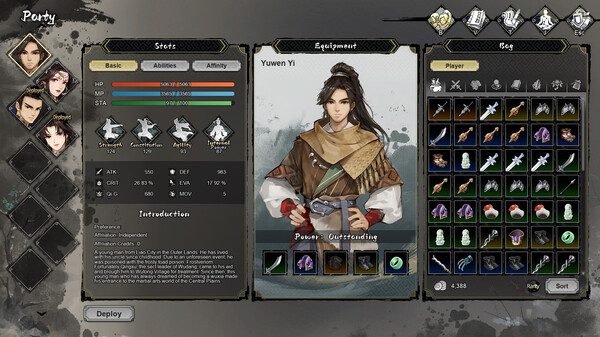
- Rich roster of companions with meaningful content (28 mentions) - There are numerous recruitable companions, each with unique stories and potential skills learned through relationships. Building bonds can unlock special moves and quest content, supporting a sense of teamwork and progression. The large cast adds variety to both combat and narrative, making exploration feel rewarding. Reviewers often mention the depth provided by companion side stories.
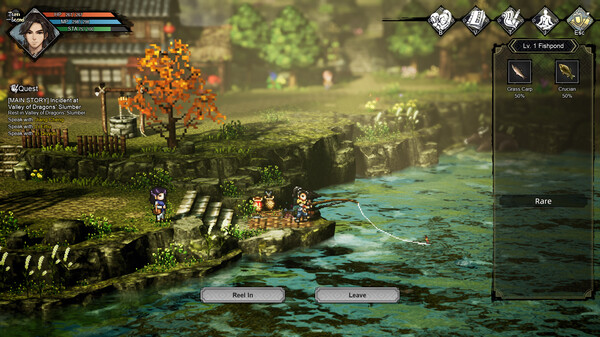
- Strong visuals and atmosphere (HD-2D) (25 mentions) - The game’s pixel-art visuals, inspired by HD-2D aesthetics, are repeatedly praised for their beauty and atmosphere. The art style helps convey a wuxia mood and enhances world-building. Soundtrack and environmental art are also highlighted as positive elements contributing to immersion. This presentation is a common point of praise across many reviews.
Most Mentioned Disadvantages
- Localization and translation issues (30 mentions) - Many reviews point to imperfect English translations and occasional awkward phrasing. Language problems can hinder immersion in a story-focused game and occasionally create confusion. Some players feel the localization distracts from the otherwise strong writing. This is a recurring complaint across multiple regions.
- Many missable content and hard-to-track triggers (30 mentions) - A common worry is that many quests, companions, and endings are easy to miss if you don’t explore thoroughly or follow guides. Players report having to backtrack or rely on walkthroughs to unlock good endings or reach all content. The complexity of triggers can make full completion feel like a second full run. Guides are often recommended.
- Clunky UI and controller navigation (25 mentions) - Several reviewers describe the UI as awkward and difficult to navigate, especially when using a controller. Menu systems can feel slow or unintuitive, making exploration and equipment management frustrating. Poor navigation contributes to a steeper learning curve for new players. This is a frequent point of critique.
- Balance issues and grinding (25 mentions) - Reviewers report swings between fights that are too easy and others that feel overly difficult, with a heavy emphasis on grinding. Some players feel progression relies too much on numbers rather than strategy. The pacing can suffer as players accumulate power through repeated grinding or questing.
- Bugs and stability concerns (10 mentions) - A number of reviews note occasional bugs, glitches, or performance issues. While not universal, these problems can affect enjoyment and reliability. Some players mention crashes or slowdowns in certain areas. This is a minority but recurring enough to mention.
Compared Games
- Octopath Traveler (40 mentions) - Reviewers frequently compare Wandering Sword’s HD-2D visuals and branching storytelling to Octopath Traveler. The look and feel are often described as similar, with a focus on atmosphere and multiple routes.
- Heroes of Jin Yong (12 mentions) - Many players reference Wandering Sword as a wuxia RPG akin to or inspired by the Jin Yong universe, noting shared themes of martial arts schools and faction dynamics.
- Fire Emblem (6 mentions) - Several comments point to Fire Emblem-like tactical combat elements, noting the strategy aspect and grid-based battles.
- Suikoden (5 mentions) - A few reviews compare Wandering Sword’s scope and quest structure to Suikoden’s, mentioning large rosters and branching storylines.
- Chrono Trigger (4 mentions) - Some reviews liken the game’s strategic turn-based combat and pacing to Chrono Trigger, recognizing a classic JRPG influence in battle flow.
Users wrote
Advantages mentioned by the majority
Less frequently mentioned disadvantages
Comparisons to other games
Wandering Sword description
Wandering Sword
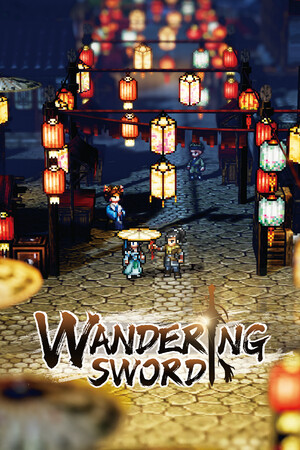
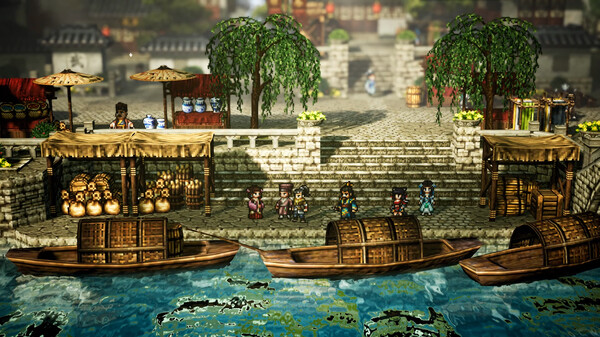
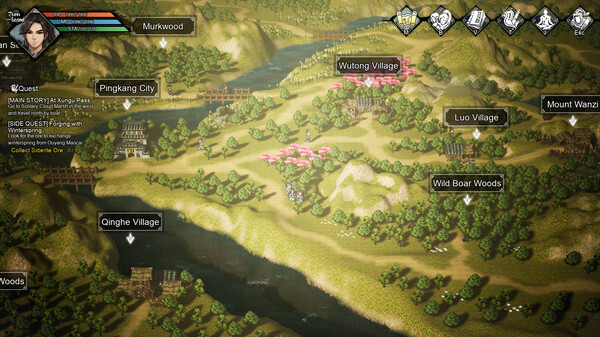
Embark on an epic journey through over 75 stunning locations across 5 unique regions of ancient China. Experience the vibrant culture and breathtaking landscapes, from bustling towns to serene rivers and perilous terrains. Wandering Sword utilizes Unreal Engine 4 to blend classic pixel art with immersive 3D environments, creating a visually captivating Wuxia world that pays homage to traditional martial arts games, enhanced by modern visual effects.
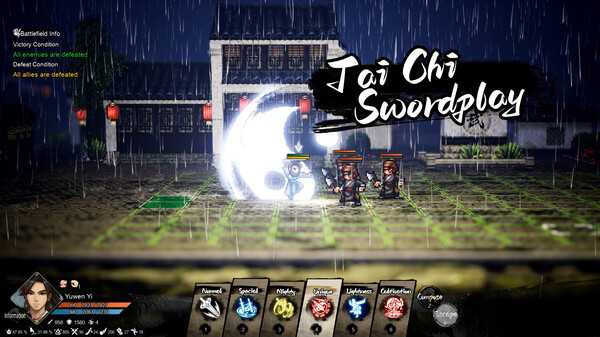
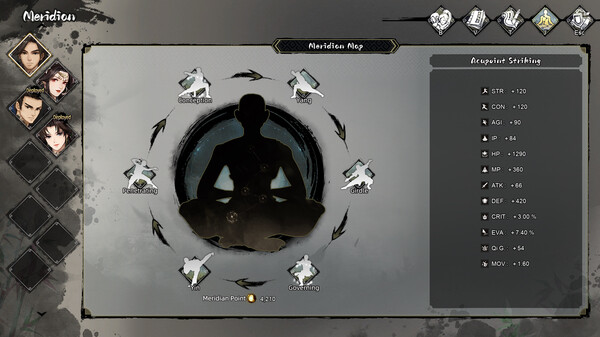
The game features an innovative combat system that allows players to switch seamlessly between turn-based and real-time modes, accommodating both strategic thinkers and action enthusiasts. Master a vast array of martial arts techniques and weapon styles while cultivating your energy through meridian points. As you progress, you can recruit up to 14 unique martial artists, each possessing their own special abilities, while building relationships that may even lead to romantic connections.
With multiple endings influenced by your choices and numerous side quests enriching the main storyline, Wandering Sword offers over 20 hours of engaging gameplay and high replayability, ensuring a fresh and thrilling experience with each adventure.