The Outer Worlds CD Key
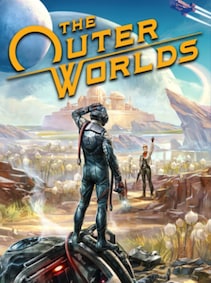
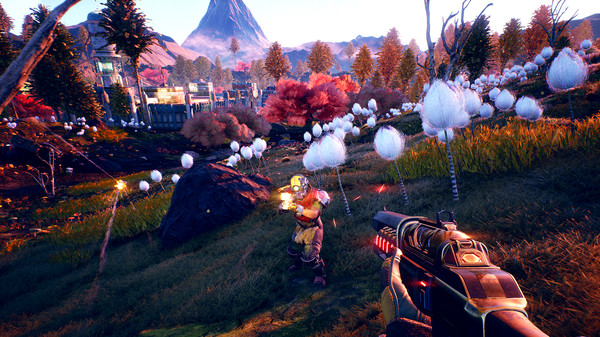
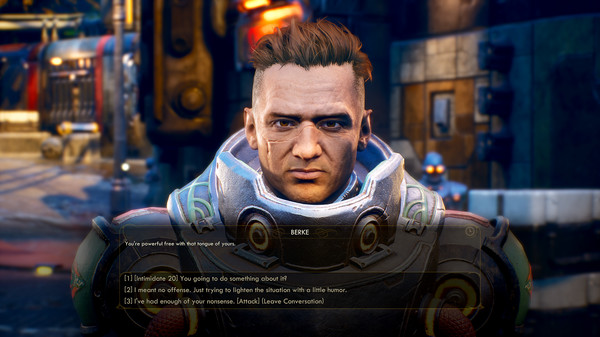
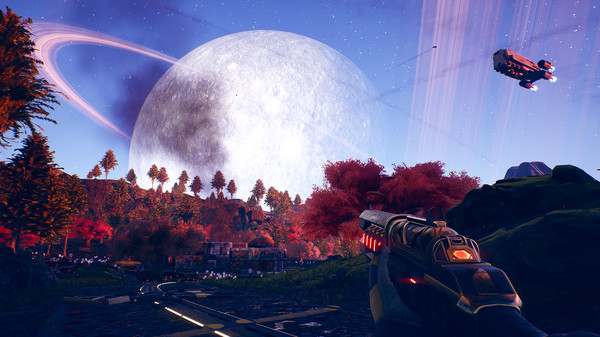
The Outer Worlds is a single-player first-person sci-fi RPG set in the distant Halcyon colony. Awakened after decades, players navigate a conspiracy, interact with diverse factions, and shape the story through choices, character flaws, and unique companions while exploring a corporate-controlled galaxy.
Looking for the best price for The Outer Worlds? Compare offers from 8 stores on CheckGamePrices to find the cheapest Steam key available. Right now, the lowest price is 22.13$ at Gamivo, which is 26% cheaper than the current Steam price (29.99$).
Current Lowest Price
22.13$

Visit store
Gamivo - The Outer Worlds EU
22.13$

Instant Gaming - The Outer Worlds
26.34$

GameSeal - The Outer Worlds (PC) Steam Key - GLOBAL
27.67$

Steam
29.99$

G2A - The Outer Worlds Steam Key PC EUROPE
31.75$

Eneba - The Outer Worlds Steam Key EUROPE
32.17$

K4G
36.25$

Kinguin
37.36$
Release Date
23 Oct, 2020
Publisher/Developer
Obsidian Entertainment, Private Division, Xbox Game Studios
Reviews
Steam: 82.55% positive (20050/24288)
Metacritic: 82/100
Game Tags
Open World
Action RPG
RPG
Exploration
FPS
Adventure
Singleplayer
Story Rich
Choices Matter
Sci-fi
First-Person
Shooter
Space
Character Customization
Action
PvE
Comedy
Action-Adventure
Colorful
Funny
System Requirements
Minimum:
- Requires a 64-bit processor and operating system
- OS *: Windows 7 (SP1) 64bit
- Processor: Intel Core i3-3225 or AMD Phenom II X6 1100T
- Memory: 4 GB RAM
- Graphics: Nvidia GTX 650 Ti or AMD HD 7850
- Storage: 40 GB available space
Recommended games


The Outer Worlds Steam Price History Chart
Current Steam price: 29.99$
Lowest Steam price ever: 7.49$ — 2026-04-30
Lowest Steam price ever: 7.49$ — 2026-04-30
Loading The Outer Worlds price history chart...
The Outer Worlds Reviews Summary
Users wrote
Reviewers frequently praise The Outer Worlds for its sharp writing, humor, and meaningful choices that shape the story. Many highlight memorable companions and strong world-building, set in a colorful retro-futuristic space setting. However, critics often cite repetitive combat, a sometimes shallow narrative, and technical issues like performance problems. The DLCs are viewed positively by many, and the atmosphere is widely appreciated, even among those who feel the game doesn’t reach Fallout-level depth.
Last updated: 2026-03-08
Most Mentioned Advantages
- Strong writing, humor, and meaningful choices (40 mentions) - The game is frequently praised for its clever writing and sharp humor. Reviewers note that dialogue and lore are engaging, with choices that influence the story and character outcomes. The satirical tone about corporations is a recurring highlight, and some players felt the narrative depth surpassed expectations. Overall, the writing is often cited as the main reason to play.
- Vibrant world, art style, and atmospheric setting (28 mentions) - The colorful, retro-futuristic visuals and well-crafted settings are repeatedly praised. Reviewers enjoy the atmosphere and world design, with distinct planets and locations contributing to a sense of exploration. The overall aesthetic is seen as a strong, positive feature that helps offset other flaws. DLCs are sometimes noted to fit well within this world.
- Memorable companions and engaging crew interactions (25 mentions) - Many reviews point to well-written companions and lively interactions aboard the ship. The banter and individual backstories add personality to your crew. Some quests and dialogue branches are driven by these relationships, making exploration feel personal. The companion system is cited as a strength more often than not.
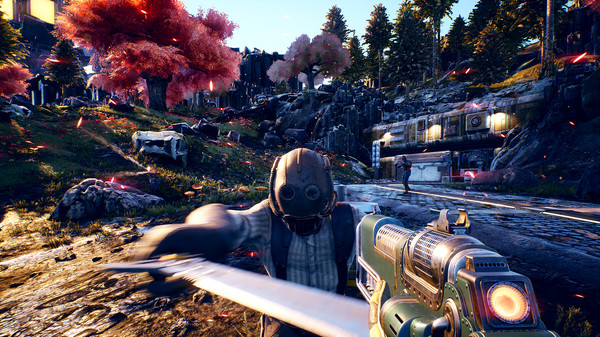
- Satisfying gunplay with varied weapons and Tactical Time Dilation (22 mentions) - Players frequently enjoy the gunplay mechanics and the variety of weapons, including science-centric options. Tactical Time Dilation (TTD) offers a strategic alternative to standard combat. Modding and weapon variety contribute to satisfying encounters. Overall, combat is viewed as solid and playable, even if not groundbreaking.
Most Mentioned Disadvantages
- Combat can feel repetitive and enemies are limited (40 mentions) - Many reviewers describe enemy variety as lacking and combat as predictable. The same enemy types reappear across planets, reducing exploration novelty. Some players find the gunplay becomes stale over time and request more dynamic encounters. This weakness is frequently paired with a perfunctory sense of challenge on standard difficulties.
- Performance issues and bugs across platforms (20 mentions) - Several reviewers report performance problems, bugs, or stability issues that hinder playthroughs. Linux crashes, frame-rate swings, and other glitches are mentioned by multiple players. For some, these technical problems overshadow otherwise positive aspects of the game.
- Short main story and a somewhat open-world that never fully opens (18 mentions) - A common gripe is that the game is shorter than expected for an RPG of its scale. Several reviewers note limited open-world feeling and a focus on linear mission structure. The DLC content does extend playtime, but the base game is often described as compact and concise. For some, this affects long-term replayability.
- Story depth and NPC characterization sometimes shallow (15 mentions) - A number of reviews criticize the main story as middling or not as engaging as hoped. Many NPCs are described as underdeveloped or forgettable outside of a few favorites. The humor can land awkwardly for some players, detracting from immersion. Overall, narrative depth is a frequent complaint compared to top-tier RPGs.
- Progression and loot feel underdeveloped or unbalanced (12 mentions) - Some players find the progression system dull, with perks and loot not delivering meaningful depth. Weapon and armor upgrades are sometimes seen as cosmetic or overly simplified, making grinding feel unrewarding. The level cap and grinding requirements are other points of contention for certain players.
Compared Games
- Fallout: New Vegas (30 mentions) - Many reviews frame The Outer Worlds as a spiritual successor to Fallout: New Vegas but fall short in world depth and systemic design. The comparison highlights similar tone and moral choices, yet critics feel New Vegas offered more emergent storytelling and living worlds. The game is often seen as a lighter, more authored experience by contrast to New Vegas’ broader sandbox.
- Borderlands (15 mentions) - Some reviewers describe Outer Worlds as a Borderlands-style blend with Fallout-like RPG mechanics. The humor and some weapon designs are compared to Borderlands, though opinions vary on whether this is a strength or a drawback. The comparison emphasizes its more guided, narrative-driven approach over Borderlands’ open-endedness.
- Mass Effect (10 mentions) - A few players compare The Outer Worlds to Mass Effect in vibe and character-focused decision-making, noting similar emphasis on dialogue and companions. The comparison points to lighter combat depth but stronger storytelling character moments.
- Bioshock (8 mentions) - Some reviews liken Outer Worlds to Bioshock in its blending of story and mechanics, particularly the satirical and retro-futuristic tone. The comparison centers on narrative emphasis over expansive world systems.
- Fallout 4 (5 mentions) - Several players compare the game to Fallout 4, noting similar shooter-RPG blends but criticizing Outer Worlds for not matching Fallout’s depth and world-building. The comparison is used to contextualize Outer Worlds’ scale and open-world feel versus more expansive Fallout titles.
Users wrote
Advantages mentioned by the majority
Less frequently mentioned disadvantages
Comparisons to other games
The Outer Worlds description
The Outer Worlds
The Outer Worlds is an award-winning single-player first-person sci-fi RPG developed by Obsidian Entertainment and Private Division. You awaken after being lost in transit on a colonist ship heading to the far reaches of the galaxy, only to discover a deep conspiracy that threatens the Halcyon colony. As you navigate this vibrant universe, you will encounter various factions competing for power, and the choices you make will shape your character and the unfolding narrative.
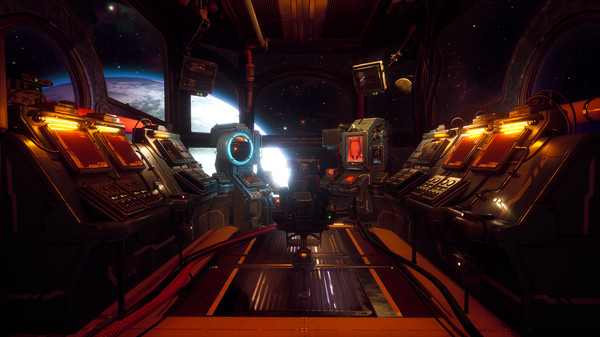
The game introduces an innovative concept of flaws, allowing you to embrace your character's imperfections. By tracking your gameplay, it offers unique challenges that come with rewards, such as gaining perks when you confront your weaknesses. You can lead a diverse crew of companions, each equipped with their own skills, missions, and motivations, making your journey through Halcyon a deeply personal experience.
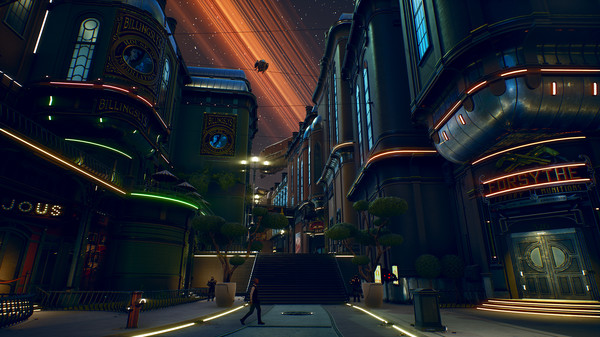
Explore a richly detailed corporate colony, where the consequences of your decisions resonate throughout the narrative. From settlements to space stations, every location in Halcyon is filled with intrigue, waiting for you to uncover its secrets. Your adventure in The Outer Worlds is not just about survival; it's about how you shape the future of a colony.