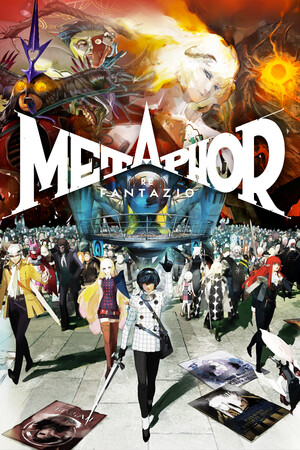
Metaphor: ReFantazio CD Key
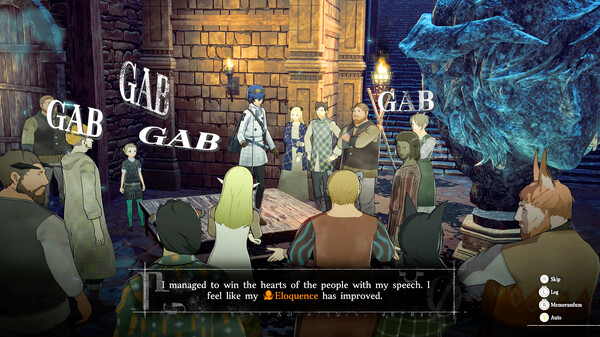
Metaphor: ReFantazio is an RPG where you, a young hero alongside your fairy companion, embark on a quest to lift a curse on a prince in the chaotic kingdom of Euchronia. Experience a blend of strategic turn-based and real-time combat, rich storytelling, and immersive exploration.
Looking for the best price for Metaphor: ReFantazio? Compare offers from 10 stores on CheckGamePrices to find the cheapest Steam key available. Right now, the lowest price is 19.92$ at Kinguin, which is 72% cheaper than the current Steam price (69.99$).
Current Lowest Price
19.92$

Visit store
Kinguin
19.92$

Instant Gaming - Metaphor: ReFantazio
20.64$

GameSeal - Metaphor: ReFantazio (PC) Steam Key - GLOBAL
24.13$

G2A - Metaphor: ReFantazio (PC) - Steam Key - EUROPE
24.50$

Gamivo - Metaphor: ReFantazio Global
33.09$

Eneba - Metaphor: ReFantazio (PC) Steam Key NORTH AMERICA
38.32$

Fanatical - Metaphor: ReFantazio
60.89$

GameBillet - Metaphor: ReFantazio
69.99$

GreenManGaming - Metaphor: ReFantazio
69.99$

Steam
69.99$
Release Date
10 Oct, 2024
Publisher/Developer
ATLUS, SEGA
Reviews
Steam: 89.66% positive (22932/25577)
Metacritic: 92/100
Game Tags
System Requirements
Minimum:
- Requires a 64-bit processor and operating system
- OS: Windows 10
- Processor: Intel Core i5-3470 or AMD FX-6300
- Memory: 6 GB RAM
- Graphics: NVIDIA GeForce GTX 750 Ti, 4GB or AMD Radeon R7 360, 4GB or Intel Arc A310, 4GB
- DirectX: Version 11
- Storage: 93 GB available space
- Additional Notes: 720p @ 30 FPS. A CPU with AVX support is required.
Recommended games
Metaphor: ReFantazio Steam Price History Chart
Current Steam price: 69.99$
Lowest Steam price ever: 27.99$ — 2026-10-08
Lowest Steam price ever: 27.99$ — 2026-10-08
Loading Metaphor: ReFantazio price history chart...
Metaphor: ReFantazio Reviews Summary
Users wrote
Metaphor: ReFantazio is a Persona-like JRPG by Atlus that blends a fantasy world with turn-based combat and time management. Reviewers repeatedly praise the deep combat system, the ambitious political storytelling, and the strong art direction and soundtrack. However, many note drawbacks such as late-game grind, repetitive dungeon design, and occasional pacing issues in writing. A subset also mentions technical problems and a lack of romance content. Overall, it is seen as a bold, well-made game that some fans will love, while others may find its flaws too distracting for a full price purchase.
Last updated: 2026-03-09
Most Mentioned Advantages
- Stunning visuals and soundtrack (55 mentions) - The game is repeatedly praised for its art direction and visual design. The soundtrack, including standout battle music, is highlighted as a major strength. Reviewers often mention how the visuals and music elevate the fantasy setting. Overall, the presentation is regarded as a standout element.
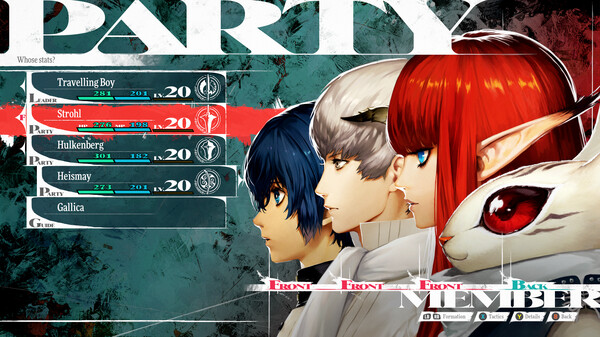
- Deep strategic combat with archetypes (52 mentions) - The core combat is praised for its depth. The archetype system lets you customize your party in meaningful ways, and the press-turn mechanic rewards careful planning. Players can mix and match classes to exploit enemy weaknesses, which keeps battles engaging across long play sessions. Reviewers note that this system is one of the strongest parts of the game and adds a lot of strategic variety.
- Politically aware story and worldbuilding (41 mentions) - Many reviews highlight the bold narrative themes, including racism, governance, and power dynamics. The worldbuilding supports a mature storyline that treats big social topics with nuance. The cast and their personal arcs are frequently cited as memorable. The storytelling is often described as ambitious and thought-provoking.
- Time management and coop systems add depth (30 mentions) - The calendar-based gameplay and cooperative elements are seen as a fresh layer of strategy. Players manage time between exploration, quests, and battles, which adds pacing and planning to the experience. The travel and exploration mechanics are noted as improvements over some other Atlus titles. This system is described as a meaningful addition that contributes to the game's depth.
- Accessible to Persona fans and newcomers with QoL improvements (28 mentions) - Many reviewers note that fans of Persona will feel familiar while appreciating new features. The game is described as more approachable in some areas, with quality-of-life tweaks that help new players get into the rhythm. It is frequently suggested as a good entry point into Atlus RPGs for players new to the studio. Overall, it is seen as a strong gateway title for Atlus’s turn-based formula.
Most Mentioned Disadvantages
- Endgame grind and long playtime (35 mentions) - Several reviewers push back against the late game for its length and repeated patterns. Bosses and late dungeons are described as overly grindy and time-consuming. The extended runtime can make the ending feel slow or tedious for some players. This pacing issue is among the most common criticisms of the game.
- Repetitive dungeon design (28 mentions) - Many reviews point out that dungeon layouts and encounters can feel repetitive after a while. Some locations reuse textures or maze patterns, which reduces a sense of discovery in the late game. The overall dungeon design is cited as a notable negative in contrast with the game’s strong other elements.
- Dialogue and writing can feel heavy-handed or uneven (23 mentions) - A number of critics describe the writing as overly didactic or inconsistent. Some passages are seen as preachy or slow to progress the plot, which interrupts immersion at key moments. This issue is frequently mentioned as preventing the story from fully resonating with players.
- Technical issues and performance concerns (14 mentions) - Several players report performance problems, optimization issues, and occasional technical frustrations. Some mention stability issues on certain hardware or scenes with frame rate dips. While not universal, these problems contribute to a less polished experience for some players.
- Lack of romance or dating options (12 mentions) - A recurring complaint is the absence of romantic subplots or dating mechanics, which some fans miss from other Atlus titles. For players who enjoyed dating elements in previous games, this removal is felt as a missing feature. Overall, it’s cited as a drawback by those who value those social mechanics.
Compared Games
- Persona 5 / Persona series (60 mentions) - Many reviewers compare Metaphor to Persona games, noting similarities in combat tempo, calendar systems, and social links, while often stating Metaphor is not a complete Persona replacement. The comparison is usually framed as honoring the lineage while acknowledging differences in tone and setting.
- Shin Megami Tensei / SMT (12 mentions) - A subset of reviewers mentions SMT-style mechanics or a blend of SMT with Persona-like elements, highlighting the turn-based core with strategic choices similar to Megaten games.
Users wrote
Advantages mentioned by the majority
Less frequently mentioned disadvantages
Comparisons to other games
Metaphor: ReFantazio description
Metaphor: ReFantazio Overview
Developed by Studio Zero and published by Atlus, Metaphor: ReFantazio invites players into a stunning fantasy realm filled with adventure and intrigue. Set in the troubled United Kingdom of Euchronia, players take on the role of a young boy from the Elda tribe, journeying alongside his fairy companion, Gallica. Your mission is to break the curse plaguing the land and restore hope by participating in a high-stakes royal tournament, initiated by a magical decree from the deceased king.
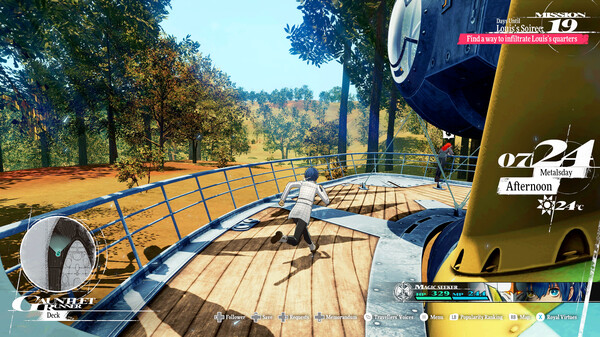
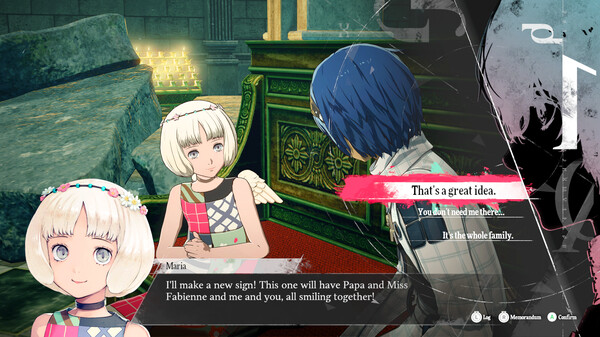
The game features a unique blend of turn-based and real-time combat, allowing for strategic gameplay infused with exhilarating action. Master the game's innovative "Archetype" system to customize your character’s powers and enhance your battle strategy. Building relationships with companions influences your journey, unlocking deeper narrative elements and varied gameplay experiences.
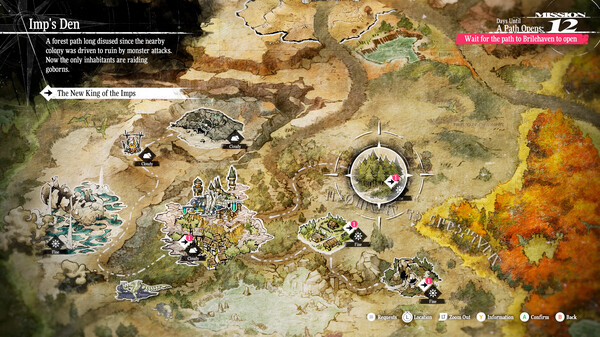
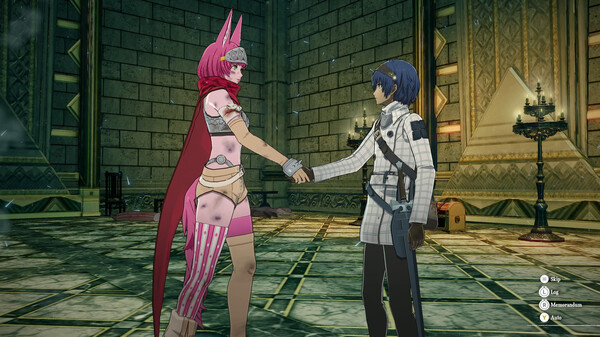
Explore the richly detailed world of Euchronia, filled with diverse tribes, secret dungeons, and beautiful landscapes. Metaphor: ReFantazio promises a captivating story, stunning anime cutscenes, and an immersive soundtrack, making it a must-play for RPG enthusiasts.