
Soil CD Key
Current Lowest Price




Release Date
Publisher/Developer
Reviews
Game Tags
Soil description
Soil
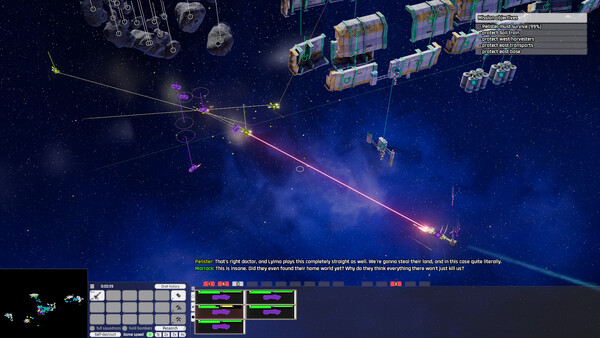
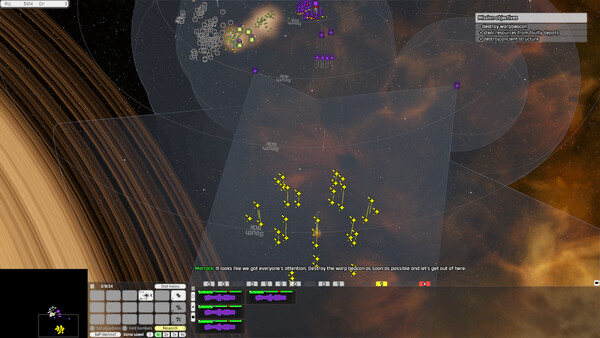
Soil is a slow-paced space real-time strategy where you mine resources, assemble ships, and engage in strategic combat. In the campaign you command a persistent fleet, conduct research, and face optional mission objectives that can alter the course of future battles.
Core to Soil is a tactile damage system and modular ships. Each ship is built from subsystems—engines, sensors, shipyards, fighterbays—and hardpoints that carry turrets. Damaging a subsystem changes its function; destroying an engine halts movement, destroying the reactor cripples energy generation, destroying a fighterbay stops new fighters, and removing a hardpoint strips away its turrets. Only ships with shipyards can repair damaged components, so positioning and logistics matter as much as battle.
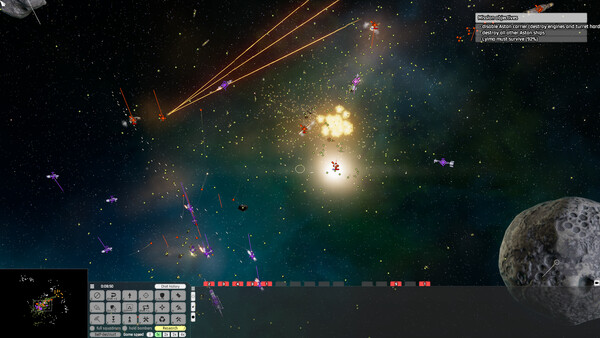
Combat in Soil uses simulated projectiles, beams, and missiles. An armor system rewards diversity: different ship configurations excel in different roles, encouraging you to mix hulls, mounts, and systems rather than massing one type.
Fighters add depth to fleet design. Fighterbays house groups of fighters or interceptors to provide cover, or bomber groups to punch through heavy targets. Fighters consume resources to be built and repaired, and they rely on remaining ammo and fuel. When depleted, they must return to their carrier to replenish before reentering the fight.
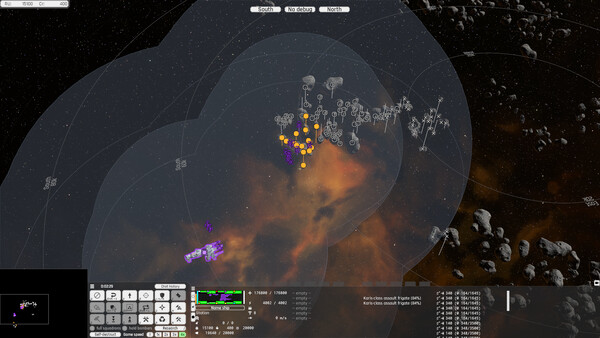
Resources and research revolve around two currencies with distinct roles. A single resource type is mined from asteroids or captured cargo from exploding ships and must be ferried back to the ship that uses it—there is no global pool of cash waiting to be spent. The second resource, crystals, powers special research that unlocks abilities and upgrades, such as cheaper or faster production, improved starting ship experience, and enhanced XP gains. The technology that unlocks new ship types is free to research, but it costs time. In the campaign crystals are rarer and mostly earned by completing objectives.
Progression in Soil is twofold. Offensive experience grows by dealing damage and raises accuracy, fire rate, and other offensive stats. Defensive experience comes from taking damage and improves self-repair and damage mitigation.
The result is a strategic, patient game where careful fleet composition, resource logistics, and timing of strikes determine victory. Whether you’re carving out a niche with specialized ships, or leveraging fighter support to compensate for weakness, Soil rewards thoughtful planning and adaptive tactics. Its pacing rewards slow, deliberate decision making, with battles unfolding over multiple engagements and fleets evolving between missions as you invest in research and refine your ship layouts.