
The Train Arrives at 10 PM CD Key
Current Lowest Price






Release Date
Publisher/Developer
Reviews
The Train Arrives at 10 PM description
The Train Arrives at 10 PM — Description
The Train Arrives at 10 PM is a psychological visual novel that dives into grief, memory, and the choices we wish we could change. In a quiet, repetitive life, each day slides toward a singular moment—the evening when the train arrives at the station. As the loop continues, familiar places begin to shift, revealing new details, buried emotions, and uncomfortable truths that have waited in the margins of memory. What begins as an ordinary routine gradually becomes a careful psychological descent, where every decision carries weight and reverberates beyond the moment.
The game invites you to observe how small moments accumulate, shaping mood, relationships, and meaning. The environment and dialogue respond to your choices, turning a predictable schedule into a living, unsettled inner landscape. Scenes you thought you knew may break open, offering alternative perspectives on a past you’re trying to come to terms with.
- Story-driven psychological visual novel. A narrative experience that places meaning at the center of every scene.
- Meaningful choices that influence the unfolding narrative. Your decisions steer tone, timing, and what you come to understand about yourself and others.
- A repeating day shaped by player decisions. The day loops until you uncover a path that resonates with the truth you’re seeking.
- Multiple endings with emotional consequences. Different outcomes reflect the facets of grief, memory, and acceptance.
- Dark, atmospheric presentation with cinematic pacing. A mood-driven delivery that pulls you into the protagonist’s inner world.
Grief unfolds in small, precise moments: a note tucked away, a repeated route, a line of dialogue that means more on the second reading. The train's whistle and the station lights become leitmotifs that mark shifts in memory. The loop mechanics are designed to feel intimate rather than punitive, rewarding curiosity and empathy as you uncover secrets that reframe your past. Each ending offers a different emotional takeaway, urging contemplation of what it means to move forward while carrying what remains.
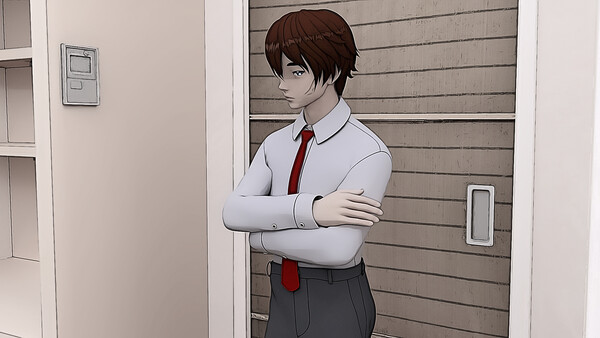
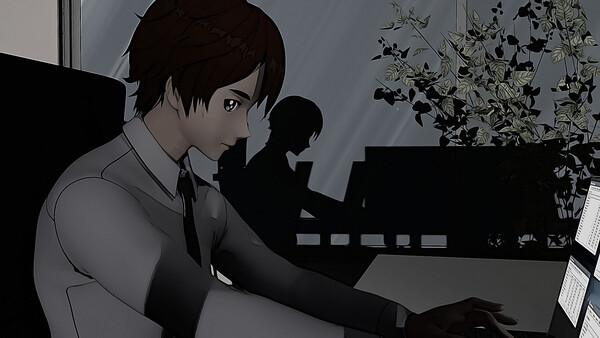
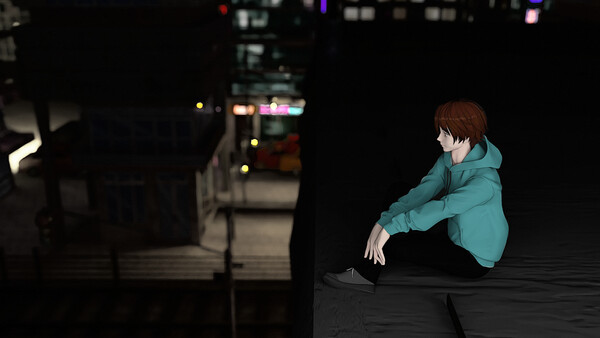
Visually, the game favors quiet stillness, with everyday interiors and the station at dusk gradually tilting toward surreal detail. Subtle shifts in lighting, textures, and character expressions hint at what lies beneath the surface. The sound design works in tandem with gameplay—brief silences, distant conversations, and the distant rhythm of passing trains create a pressure that presses in when you hesitate. You will learn to read small cues, such as a preference for a particular route, a name left unsaid, or a memory that feels newly dangerous once it is recalled. By choosing paths that honor or resist confronting the past, you craft a personal arc through grief that is not about triumph, but understanding.