
Cops&Crooks CD Key
Current Lowest Price



Release Date
Publisher/Developer
Reviews
Cops&Crooks Steam Price History Chart
Lowest Steam price ever: 4.99$ — 2026-10-20 — Current low
Cops&Crooks description
Cops&Crooks
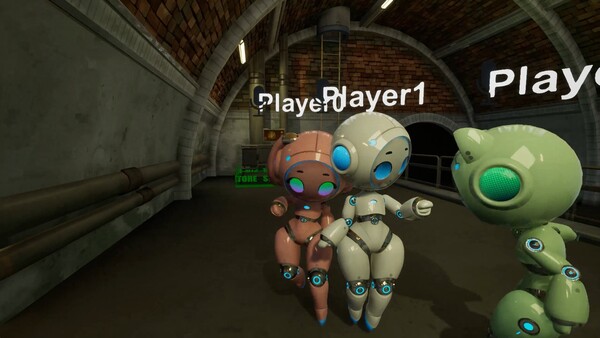
In Cops&Crooks, the action begins with one player randomly becoming the Cop. The rest are assigned as Thieves, an Undercover Cop, or the Building Owner. Once roles are shuffled, every conversation becomes a mind game where trust shifts with every word. Rounds fly by, but as phases repeat, each decision carries more weight. You must read who’s lying, who’s steering the table, and you may flip the momentum at the decisive moment. The true turning point comes in the 1v1 interrogation, where the Cop calls players in sequence and tests truth, pressure, and intent. The game shifts its core from catching a culprit to mastering the flow of information, bluff, and resource control.
Key Roles and Dynamics
- Cop: The sole investigator. Uses interrogation to pressure suspects, seek contradictions, and guide the group toward a bust.
- Thief: A master of concealment. Lies low, deflects suspicion, and coordinates with others to avoid capture while pursuing the win.
- Undercover Cop: A hidden ally among the Thieves. Plays a double game, injecting misinformation at times to shape the interrogation without revealing themselves.
- Building Owner: Controls or protects a key asset. Influences resources and opportunities, shaping how the round unfolds and where advantage lies.
- Spy: A secret supporter of the Cop within the Thieves, turning interrogation into pure information warfare and complicating judgments.
Round Structure and Strategy
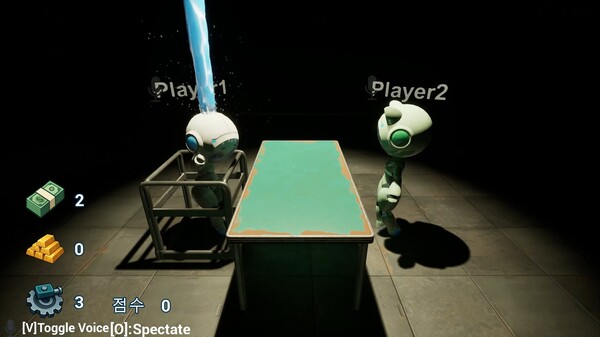
Rounds are fast, but the game rewards long-term planning. Each phase builds on the last as players gather and spend resources, buy items from the shop, and push or pull the table’s beliefs. The Cop’s 1v1 calls become the decisive moment: a well-timed accusation, a subtle tell, or a strategic reveal can tilt the balance and end a round in a single move.
Victory: How to Win
Each role accumulates resources in its own way, spending them to buy items that alter information flow, influence the group, or improve odds in the shop. The player with the most points at the end of the match wins. The game emphasizes managing the flow of information and choosing when to push, when to hide, and when to endure—your choices stack up and decide the winner.