
Lightsaver CD Key
Current Lowest Price

Release Date
Publisher/Developer
Reviews
Lightsaver Steam Price History Chart
Lowest Steam price ever: FREE — 2026-10-19 — Current low
Lightsaver description
Lightsaver
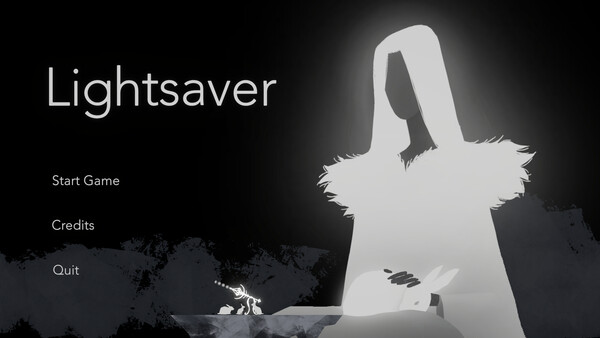
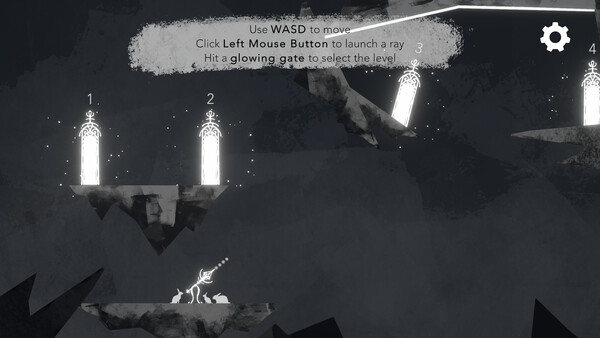
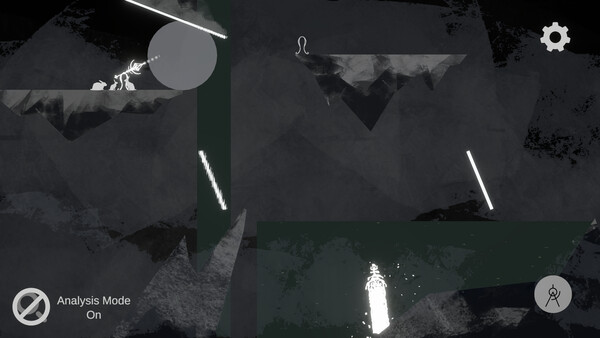
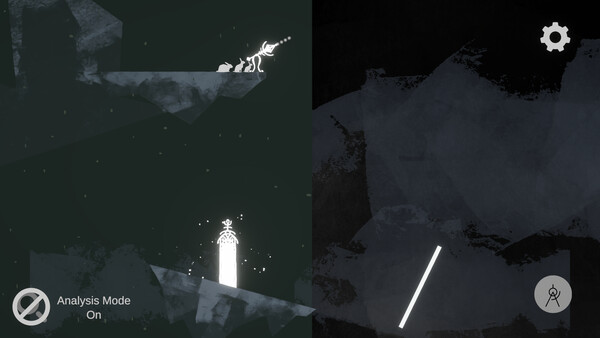
Lightsaver is a free-to-play, single-player 2D physics puzzle game that invites you to guide a beam of light from its launcher to a glowing door across a sequence of compact, elegantly designed stages. Each level is built to reward a precise, well-timed shot and to deliver that moment of clarity when the path finally falls into place. The focus is on clarity, intuition, and the satisfaction of discovering how a small adjustment can unlock an entire route.
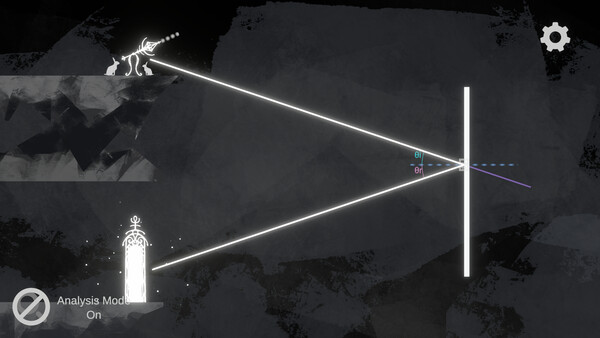
Your primary action is to rotate the launcher to set the initial trajectory. Once lined up, you deploy and position a handful of optical objects that shape the beam’s journey: water cubes and balls that refract the light, glass cubes and balls that bend it, and mirrors that reflect it. You can rotate and resize these objects to fine-tune angles, distances, and timing, creating a custom corridor for the beam to follow. The interplay of these pieces creates opportunities for clever setups where small changes yield big results.
The core puzzles rely on real optical principles: refraction through water, bending through glass, and precise reflections off mirrors. The beam can bend, split, or loop as it meets different materials, and sometimes you’ll need to coax multiple trajectories to converge on the exit. The challenge is not brute force but careful planning, experimentation, and an eye for how each interaction shifts the beam’s path. When you get a shot that satisfies all constraints, the solution feels crisp and earned.
Progression is handcrafted to introduce new interactions gradually, guiding you from simple beginnings toward more demanding configurations. Early stages teach the basics of aiming, placement, and timing, while later levels combine several elements to test your ability to orchestrate multiple optical events in one clean line. The game emphasizes thoughtful experimentation over repetition, encouraging you to test hypotheses, learn from missteps, and revisit ideas until you uncover the intended solution.
- Rotate and aim the light launcher to define the starting path
- Place water and glass objects, plus mirrors, to shape the beam
- Rotate and resize objects to perfect the beam’s route
- Solve puzzles built on refraction and reflection through patient testing