
Turn It Off CD Key
Current Lowest Price




Release Date
Publisher/Developer
Reviews
Turn It Off description
Turn It Off is a first-person psychological horror experience built around mood, restraint, and subtle storytelling. It invites you to step into a world where fear grows from atmosphere rather than spectacle.
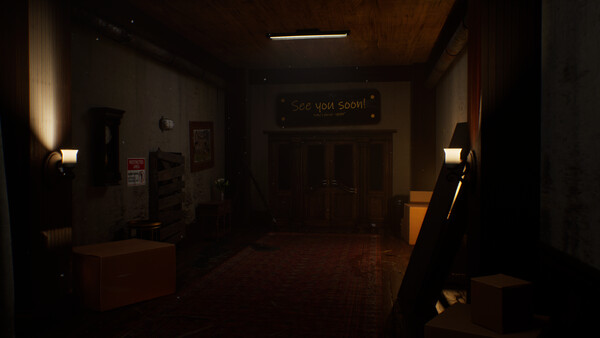
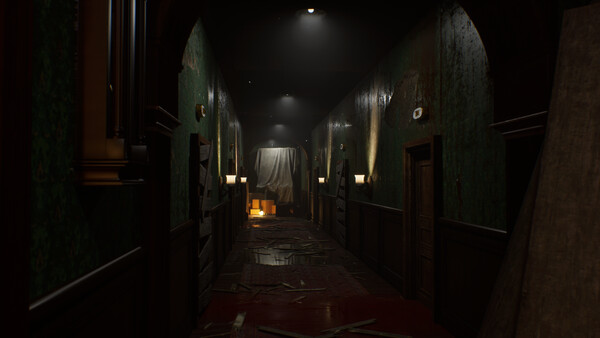
Housed inside a decaying hotel, the environment feels alive with secrets. As you press forward, reality and perception begin to blur, and the place seems determined to keep you from leaving. The deeper you go, the more the building presses back, rearranging its corridors and rooms in ways that hint at hidden histories and forgotten lives.
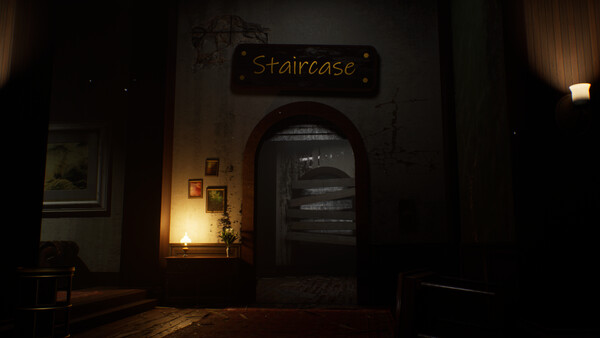
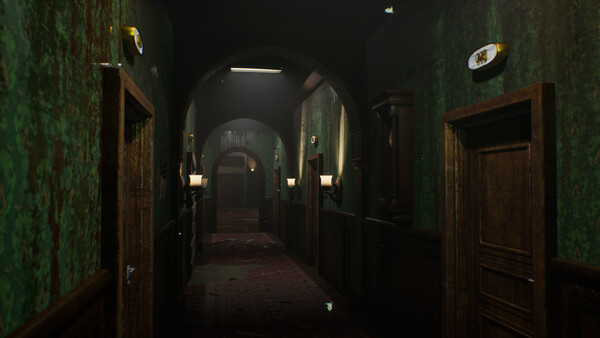
Explore a dark, interconnected layout where every hallway, stairwell, and chamber holds unsettling details waiting to be noticed. Details accumulate like whispered clues: a faint glow behind a cracked door, a shadow that doesn’t quite align with the furniture, a sound that feels closer than it should. The hotel acts as a character itself, its architecture bending and breathing in response to your presence.
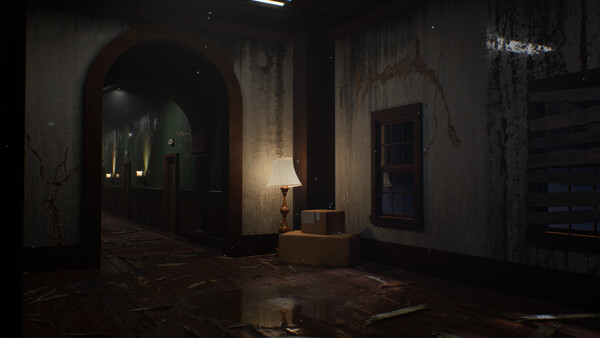
Turn It Off crafts horror through stillness and suspense. The slow-burn design relies on sound, light, and pacing to build dread over time. Quiet rooms swell with an undercurrent of unease; flickering lamps, distant footsteps, and rooms that seem to shift when you aren’t looking all contribute to a sense of isolation and vulnerability. The tension is earned through atmosphere, not conventional jump scares.
The story unfolds through the environment itself. Fragments appear in the landscape—textures, objects, and echoes that suggest a narrative you assemble as you move deeper. The result is cinematic and intimate: a first-person perspective that puts you close enough to feel the cold draft of the hallway, the weight of the air, and the quiet pressure of a space that wants to keep you in rather than out.
There are no instructions. There is no turning back. You move forward.