
What the House Remembers CD Key
Current Lowest Price




Release Date
Publisher/Developer
Reviews
What the House Remembers description
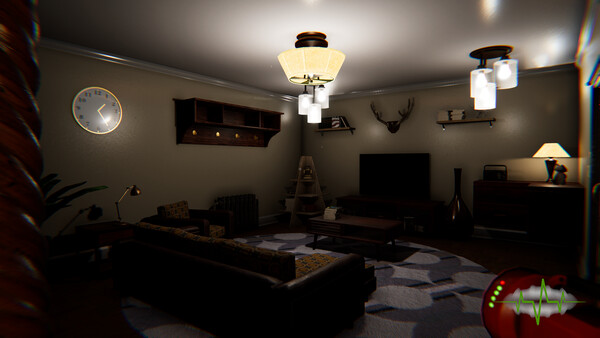
What the House Remembers is a short, narrative-driven psychological horror experience that leans into atmosphere, observation, and slow-building dread.
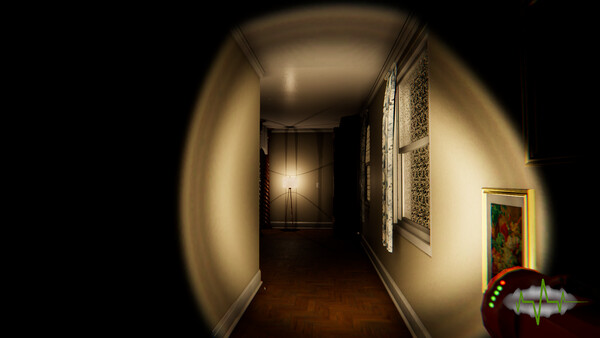
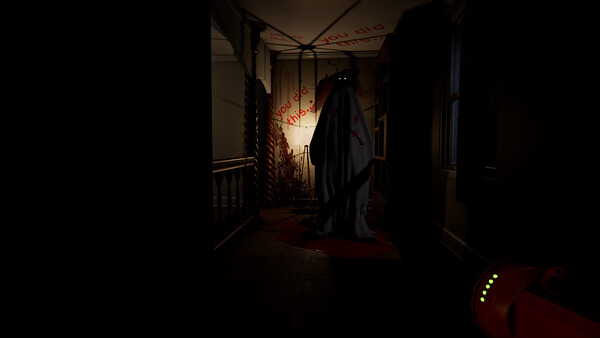
You are alone in a quiet house. But the house remembers what you did. Your visuals fade as your sanity deteriorates, and the environment begins to respond to your presence.
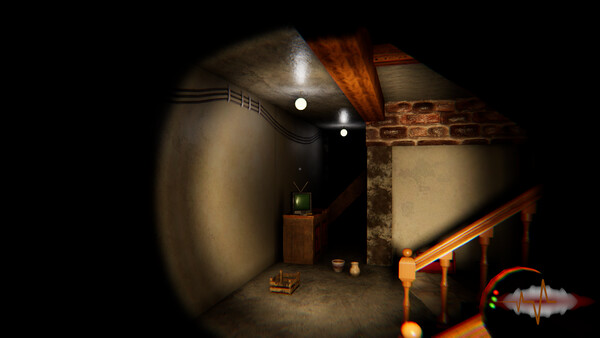
This is a slow, methodical experience focused on tension rather than sudden jump scares. There are no objective markers or constant guidance; exploration hinges on attention—the act of noticing subtle details, listening closely, and letting the surroundings tell the story.
The narrative unfolds indirectly: through rooms, through objects, and through moments that feel off. As you move, the house reveals fragments of a past that may be impossible to escape, gradually drawing you toward an ending that depends on your choices and perceptions.
Your sanity and perception are tethered to light. When your light wanes, darkness crowds in and your mental state shifts in response to the world around you.
Key features include a short runtime (roughly 2–3 hours), a focus on atmosphere and mental deterioration, and a linear progression that nevertheless yields multiple endings. The game emphasizes environmental storytelling, minimal hand-holding, and a tightly paced, single-sitting experience.
Content warnings note themes of psychological distress, hallucinations, guilt, self-harm, disturbing imagery, and flashing lights.
What the House Remembers is designed to be played from start to finish in one uninterrupted session, inviting quiet immersion and personal interpretation of the mystery housed within these walls.
Developed as a solo project, it centers on quiet tension, memory, and guilt rather than traditional jump scares, with visuals and audio that intensify as your sanity ebbs away.
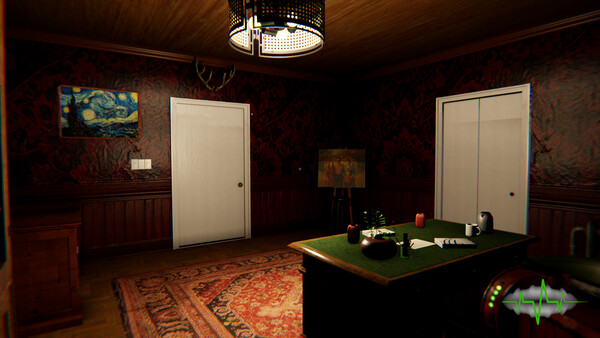
As you move from room to room, the house speaks in whispers carried by drafts, creaks, and distant echoes. Objects bear witness to your choices: a note found in a drawer becomes a clue; a photograph that you seem to have altered rearranges itself; a mirror reflects not your face but a version of you you barely recognize. The environment is the primary storyteller, with subtle signals like stains, fingerprints, and a lamp that flickers when you return to a remembered moment. Visuals shift with your mental state—colors fade, details sharpen, or blur—so your sense of space can distort as the memory you chase tightens around you.
Gameplay remains focused on thought rather than action: there are no puzzles to solve beyond paying attention, no risk-reward sprinting, just a conviction to observe and listen. Endings depend on which memories you awaken and how long you linger in specific rooms. Some conclusions feel quiet and tragic, others confront you with a stark truth, and a few endings rethink what it means to be left behind. The experience is designed for a single sitting in one uninterrupted session.
Designed as a solitary, immersive journey, the game invites you to slow down, invest in the environment, and let memory surface at its own pace. Because there are no overt prompts, your interpretation matters: what you remember, what you overlook, and how you choose to face the house shapes your experience and its final, lingering tone.