
Compromised CD Key
Current Lowest Price



Release Date
Publisher/Developer
Reviews
Compromised description
Compromised
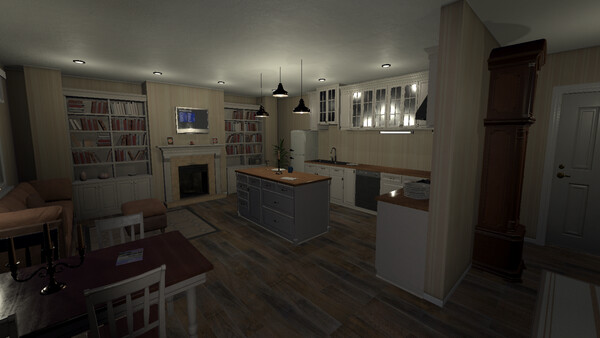
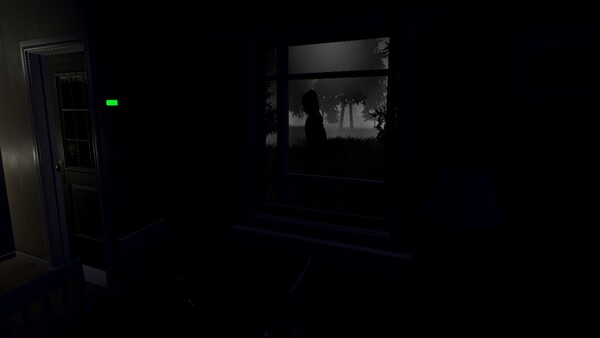
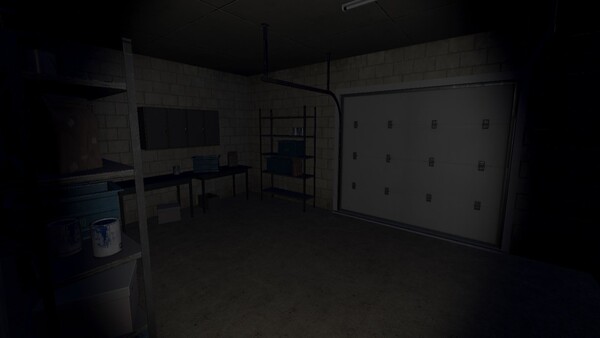
Compromised is a first-person psychological horror experience built around tension, limited information, and relentless pressure. You are trapped in a house where every system is failing, every sound could be a warning, and every decision pulls your attention away from what matters most. The atmosphere is immersive, and the threat is real even when it isn’t clearly seen.
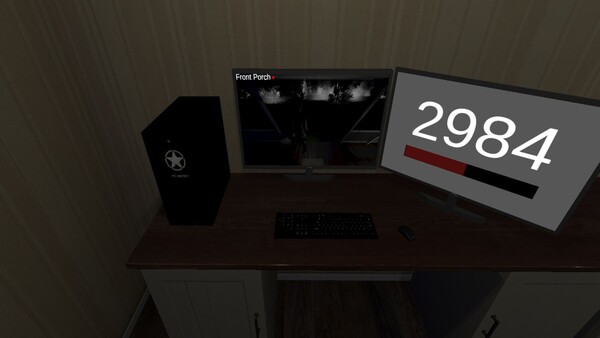
As the night progresses, threats adapt, systems degrade, and the margin for error shrinks. You must decide what to monitor, what to repair, and what to ignore. Focusing on one task means losing control of another, forcing you to juggle competing priorities in real time. The game constantly tests your judgment under conditions where data is sparse and consequences are immediate.
There are no cheap jumpscares to save you. Fear arises from anticipation, uncertainty, and the unsettling sense that you are always one step behind the truth. Survive long enough by managing scarce resources, maintaining your composure, and staying ahead of a house that turns against you as it learns your patterns and adaptions.
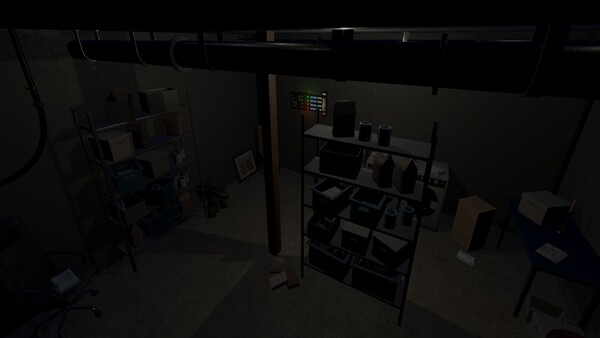
The environment is dynamic and unforgiving: flickering lights, malfunctioning vents, leaking pipes, alarms that misfire, doors that seal unexpectedly, and corridors that reveal or erase threats as you move. The longer you stay, the more the house reveals its layered, preexisting compromise—an invisible history that haunts every choice you make.
Gameplay centers on balancing competing needs: monitoring environmental readings, sustaining power and air, repairing corrupted circuits, and deciding what to ignore to prevent collapse elsewhere. The pressure comes not from obvious danger, but from the slow erosion of control and the cost of missteps in a system that refuses to stay quiet.
You are not a savior entering a well-lit maze; you are a small presence inside a failing construct, fighting to endure while the house tests your limits. If you crack under pressure, you become another casualty of a scenario that was compromised long before you arrived. If you endure, you learn how fragile the balance is between control and chaos, and how quickly that balance can tilt again.