
囚人カウンセリング CD Key
Current Lowest Price




Release Date
Publisher/Developer
Reviews
囚人カウンセリング description
囚人カウンセリング
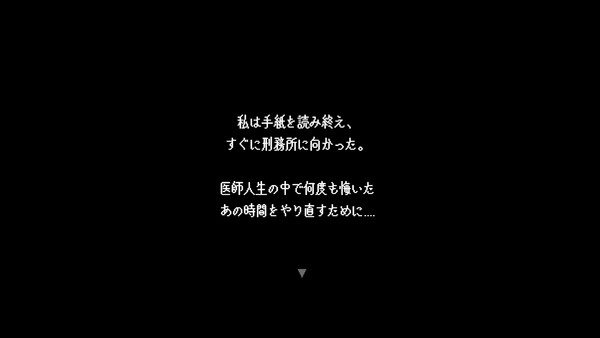
A psychiatrist begins counseling inmates inside a prison, but a hidden purpose looms over every session. The path you choose shapes lives as you navigate delicate conversations and unravel intentions that may stretch beyond the clinic walls.
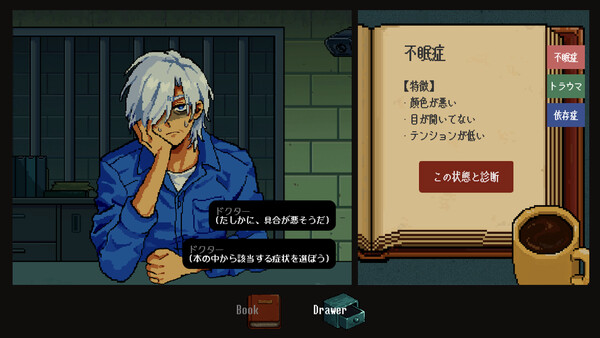
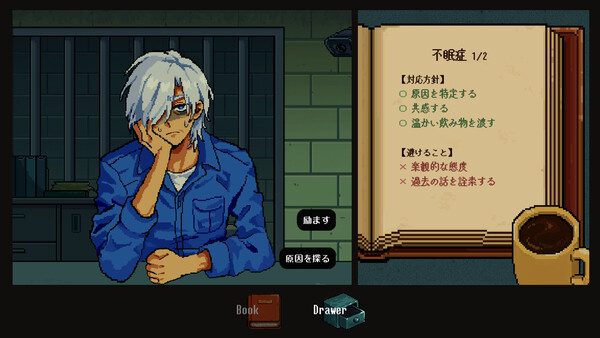
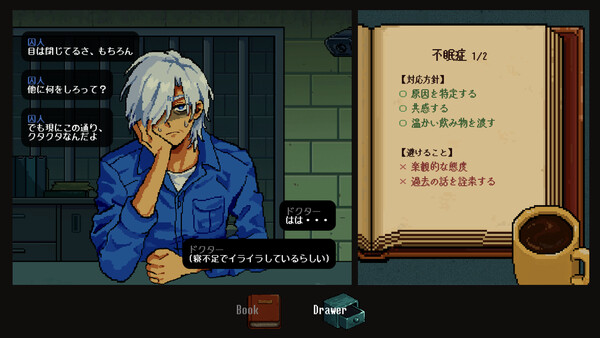
Gameplay centers on intimate, one-on-one talks where your words carry weight. Use casebooks and a small set of items to steer the dialogue, choosing responses that fit each inmate’s history and mindset. Your approach can invite truth to surface or create barriers that keep the past buried.
- Casebooks guide your choices: Refer to detailed notes to select responses that resonate with the inmate’s experiences and coping strategies. The right line can open up memories, while a misstep may push them behind walls of silence.
- Offer items to build trust: From a drawer appear small gestures or tools. Giving the right item at the right moment can loosen defenses and encourage candid disclosure.
- Branching reactions: Inmates respond differently based on your questions and actions. Each choice reshapes the dialogue, altering relationships and the information you uncover.
- Atmosphere and style: The world is rendered in a distinctive pixel art design, creating a unique mood that underscores the tension between care and confinement.
- Unfolding mystery: As conversations progress, you glimpse the psychiatrist’s true agenda. The more you learn, the more the line between therapy and manipulation blurs.
As you progress, you’ll weigh ethical boundaries against the desire to uncover hidden motives. The conversations are your vehicle to reveal pasts, secrets, and motivations—while the prison environment adds pressure and consequence to every decision. The game challenges you to balance empathy with inquiry, trust with doubt, and progress with the risk of exposure.
Question everything you uncover. What is the psychiatrist really aiming to achieve, and what happens when the truth collides with the stated purpose of therapy?