
Corridor 13 CD Key
Current Lowest Price





Release Date
Publisher/Developer
Reviews
Corridor 13 description
Corridor 13 — Description
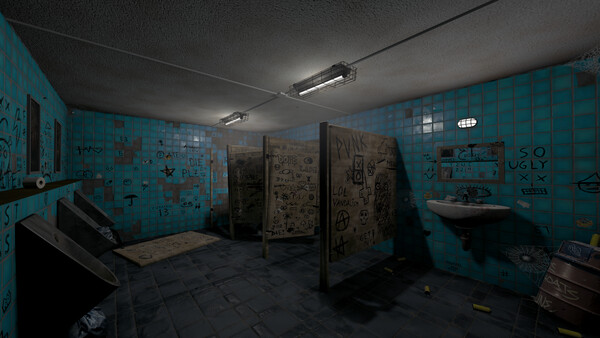
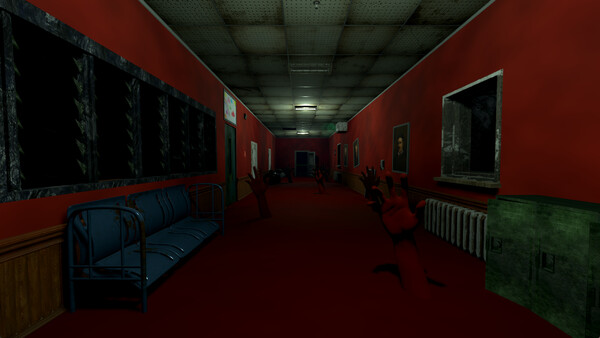
Corridor 13 is a psychological horror walking simulator that traps you inside an abandoned school corridor. Each run can reshape the hallway, and your perception decides whether you advance or become lost in its endless bends.
Your task is simple, yet ruthless: make twelve correct decisions in a row to reach Corridor 13. One wrong step resets the run, forcing you to observe, reassess, and restart with new possibilities on the path ahead.
With every attempt, the corridor may change—sometimes dramatically, sometimes barely perceptible. Not every variation is harmless; some anomalies twist your sense of safety and can push you toward danger. Others are purely visual, yet they can still mislead you.
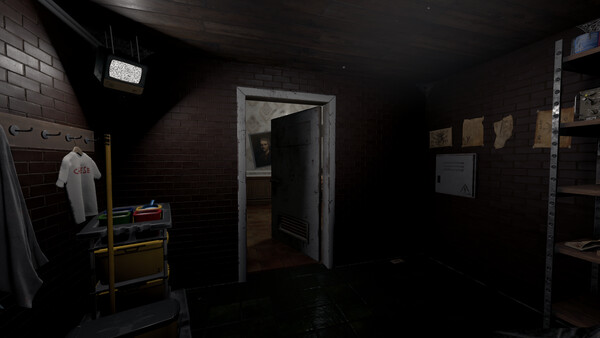
The setting is an apparent abandoned school: quiet rooms, locked doors, and a corridor that refuses to answer. There are no clues, no context, and no reassurance. What you see is all you have, and even that is not guaranteed to be stable.
This is a game about attention and judgment. Observe carefully, decide quickly, and trust your instincts. If everything seems normal you may press forward; if something feels different, turn away. The longer you stay, the more you question tiny details that might have always been there—or might not.
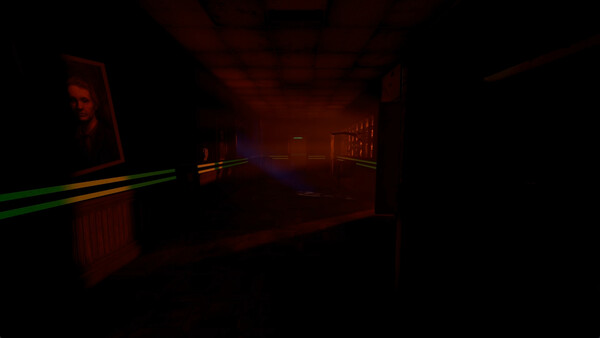
Atmosphere and tone are built through tension, uncertainty, and a minimal soundscape. A quiet, oppressive ambience accompanies each step, challenging you to map danger from doubt. The journey to Corridor 13 is a test of memory, perception, and nerve.
Gameplay loop emphasizes replay and adaptive perception: twelve correct decisions, a single misstep, and you begin again – with the corridor subtly reshaped by your memory of the last run. Reach Corridor 13 by navigating the shifting path with careful observation and decisive action.
Music and mood unfold with a dark ambient drone, underscoring the corridor’s breath and heightening unease as you move through its changing walls.
Every room you reach refuses to offer reassurance. It may hold a memory of a classroom, a chair that seems out of place, a chalkboard with erased notes—yet nothing explains why. The emptiness is deliberate, inviting you to fill the gaps with nerves.
Designer philosophy centers on the illusion of normalcy. The corridor feels ordinary until it doesn’t, turning a familiar walk into a paralyzing test of judgment. If you fail, you start again, carrying the echo of your misstep and the promise of Corridor 13.
Replayability comes from the unknown: random variations, subtle shifts in lighting, and new placements of obstacles that make you re-evaluate every assumption. The corridor is a living puzzle that only makes sense after you decide.
In short, Corridor 13 is a concise, unsettling journey: a hallway that can deform with each attempt, a test of perception, and a path that demands twelve precise choices to finally reveal the way forward.