
Saintless CD Key
Current Lowest Price




Release Date
Publisher/Developer
Reviews
Saintless description
Saintless
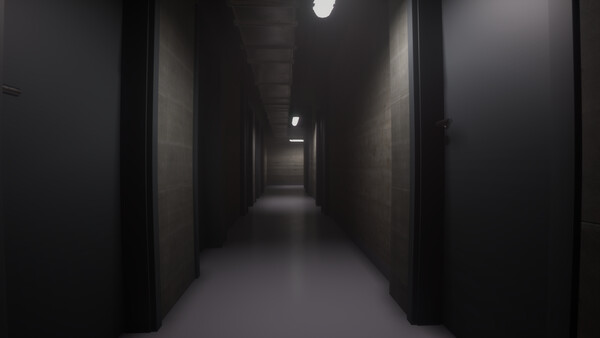
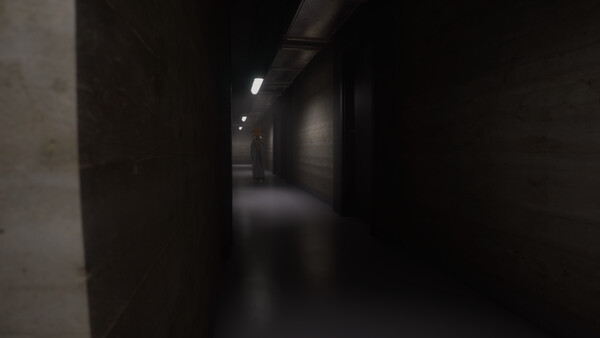
Saintless is a psychological horror walking simulator built to immerse you in atmosphere and constraint. It unravels in a world where silence, damp concrete, flickering lights, and distant echoes shape your perception more than any overt spectacle. Rather than fast-paced action or explicit scares, the game invites you to linger, listen, and feel the weight of the space pressing in around you. The experience is concise and intense, prioritizing environmental storytelling, subtle dread, and a precise, measured tempo that makes every moment feel charged with meaning. There is no map, no hints beyond the room you step into next, only the expectation that your compliance will be tested anew.
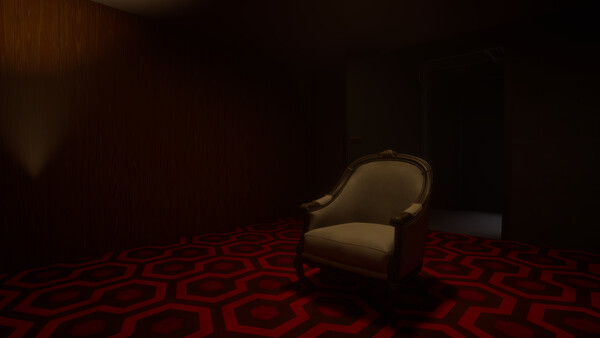
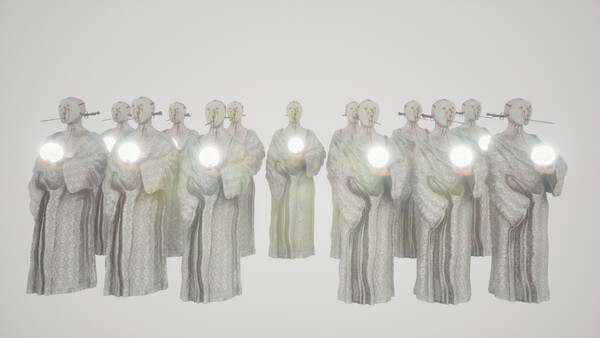
You descend into an underground sanctuary claimed by the Cult of the Open Hand. The setting is designed to evoke sanctity and danger in equal measure: stone corridors, ritual alcoves, and hidden nooks that seem to watch as you pass. Light behaves deliberately, casting long shadows and revealing just enough to hint at what lies beneath the surface of devotion. The ambience is tactile—the sense of humidity, the texture of walls, the weight of door handles—as if the space itself could determine your choices.
The core mechanic centers on a sequence of test rooms. Each room presents a trial you must complete to proceed. They are not puzzles to solve; they are tests of compliance, crafted to probe your willingness to follow procedure, to reveal your capacity for restraint, and to measure your response to authority embedded in the architecture. Progress depends on how you interpret instruction, whether you yield to the ritual cadence, and how you navigate the subtle pressures the space imposes on your behavior.
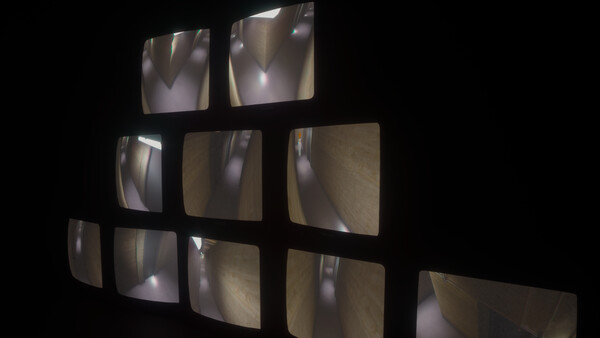
One hour in length, Saintless is crafted to be dense and singular. It rewards patient immersion and attentive observation, letting environment and context carry the narrative. The dread is quiet and pervasive—an atmosphere that insinuates that you are not merely wandering through rooms, but entering a system built to test your allegiance. The experience avoids loud shocks, relying instead on controlled pacing, a creeping sense of surveillance, and the reminder that some doors may only open when you submit to the program.
What you take from Saintless is an impression shaped by space, its sequence of trials, and your responses within a ritualized landscape. If you lean into the atmosphere, the psychological pressure becomes tangible, and the fear of submission lingers beyond the final room, leaving a haunting sense of having witnessed something stricter than a story—a quiet sermon carved into memory.