
The Last Show CD Key
Current Lowest Price




Release Date
Publisher/Developer
Reviews
The Last Show description
The Last Show
The Last Show opens not with explosions but with silence. A man sits in a cinema inside a vast complex that hosts a major tech event. Screens glow, lights hum, life breathes around him—and then a brief nap. When he wakes, no one is there. No chaos, no signs of escape, only complete absence as if humanity itself had been pulled from the scene. He didn’t flee the world; the world slid away from him. And in that moment, you enter a space between realities. It isn’t the end of the world, nor a dream. It is the Threshold.
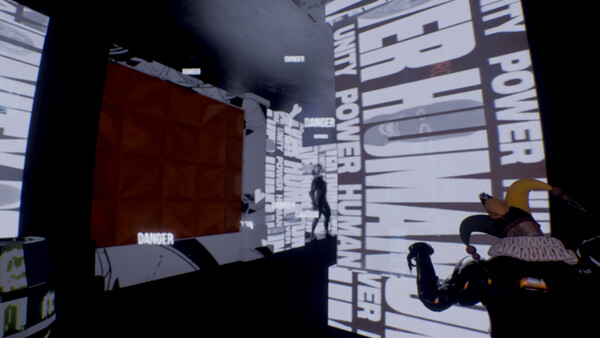
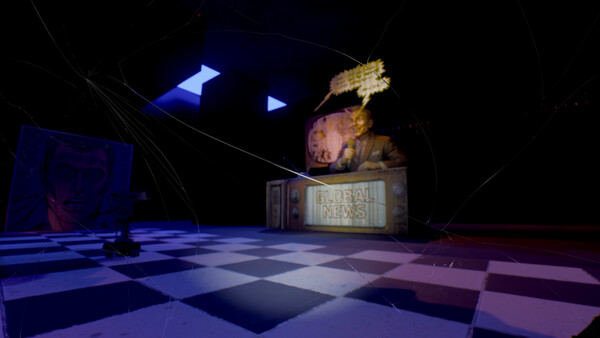
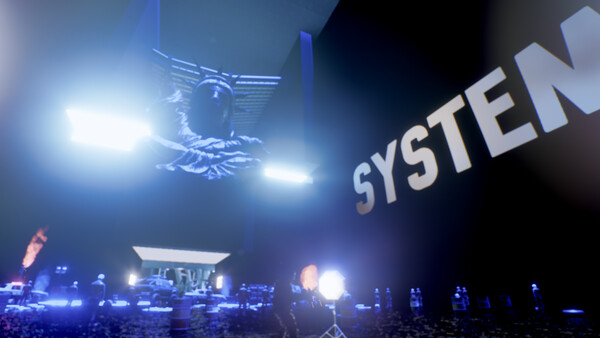
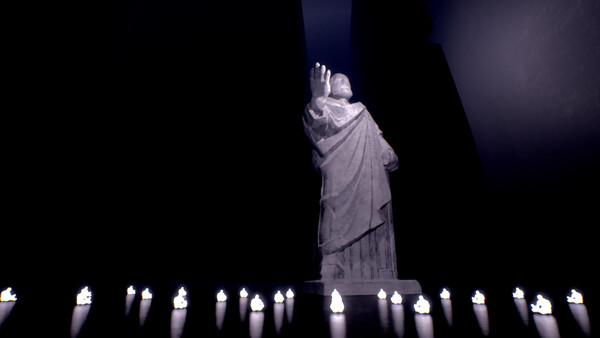
Familiar places, but empty of people: a luxury mall without sound; corridors spotless, without footsteps; a theater without an audience. Even beauty becomes unsettling. Visually the world fuses Cyberpunk aesthetics with a sharp digital-matrix precision. The horror isn’t darkness; it’s light—excessively ordered, meticulously pristine.
The game asks a different question: there’s no monster to chase you. The monster is civilization itself, isolation after civilization, silence as a living entity, consciousness questioning its own boundaries.
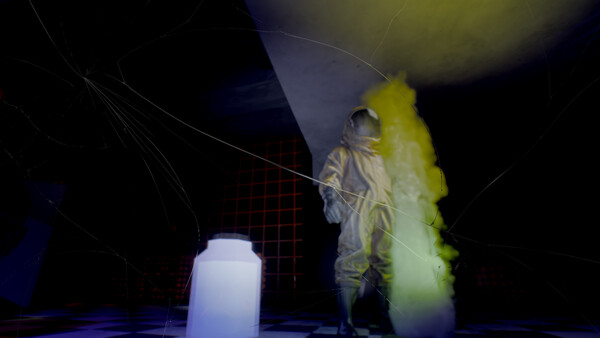
You begin as a spectator, wandering among screens, codes, masks, and cold systems. Then the perception shifts: you are no longer watching—you are being watched. Are you observing the environment, or is the environment studying you? Are you the player, or the specimen? The Last Show isn’t about fear in the conventional sense.
Ambiguity and meaning: The masks we wear, the time we count as a chain, the opening cinema that isn’t a coincidence. Life becomes a long performance—a play we act in, applaud, leave, then perhaps return. But what if you never left? What if the doors closed and you remained on the stage with the lights as your only audience?
Every corner, every light, every symbol, is deliberate, yet unexplained. The game invites reflection, not easy answers.
If you seek a traditional thriller, you’ll miss the point. The Last Show is a contemplative experience that uses atmosphere, design, and sound to probe what civilization looks like when humanity is absent. The meaning you take away won’t be a fixed message; it will be your own mirror.
The experience unfolds through atmosphere, design, and silence, not action. The Last Show challenges you to listen to the spaces, to read the light, to question what you consider real.
Ambiguity opens doors, and the camera never blinks. The game asks who you are—the audience, the performer, the witness, or the specimen that remains when the lights go on.
This is a game built for reflection, not rush, inviting you to linger with the echoes of a civilization that applauds your every move even as it erases itself.