Tainted Grail: The Fall of Avalon CD Key
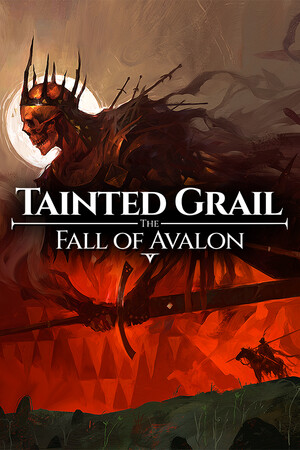
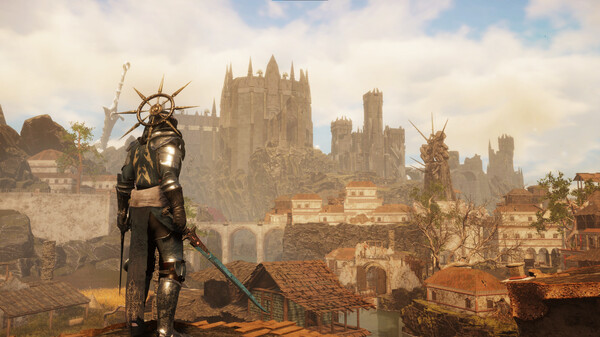
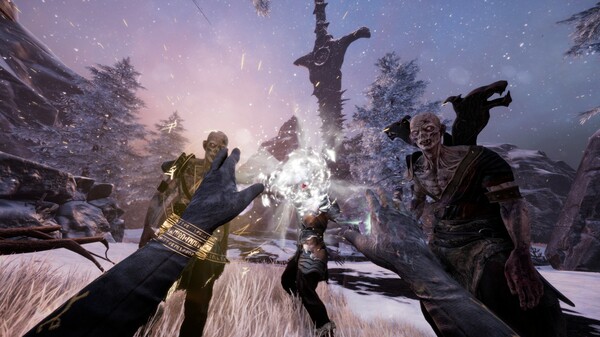
Tainted Grail: The Fall of Avalon is a dark fantasy open-world RPG set on a crumbling island. Players navigate quests, combat, and moral choices in a land influenced by Arthurian legends, featuring various character builds and gameplay activities. Explore a rich, immersive narrative with multiple endings.
Looking for the best price for Tainted Grail: The Fall of Avalon? Compare offers from 9 stores on CheckGamePrices to find the cheapest Steam key available. Right now, the lowest price is 15.20$ at Eneba, which is 52% cheaper than the current Steam price (31.49$).
Current Lowest Price
15.20$

Visit store
Eneba - Tainted Grail: The Fall of Avalon (PC) Steam Key GLOBAL
15.20$

Kinguin
16.25$

Gamivo - Tainted Grail: The Fall of Avalon EN Global
16.39$

Instant Gaming - Tainted Grail: The Fall of Avalon
19.13$

Loaded - Tainted Grail: The Fall of Avalon PC
19.29$

GameSeal - Tainted Grail: The Fall of Avalon (PC) Steam Key - GLOBAL
28.47$

Steam
31.49$

GOG - Tainted Grail: The Fall of Avalon
31.49$

G2A - Tainted Grail: The Fall of Avalon (PC) - Steam Gift - GLOBAL
39.98$

Release Date
23 May, 2025
Publisher/Developer
Awaken Realms, Questline
Reviews
Steam: 87.68% positive (29927/34134)
Metacritic: 80/100
Game Tags
System Requirements
Minimum:
- Requires a 64-bit processor and operating system
- OS: Windows 10 64-bit
- Processor: i5 8th gen or AMD equivalent
- Memory: 12 GB RAM
- Graphics: GTX 1060 6GB or AMD equivalent
- DirectX: Version 11
- Storage: 15 GB available space
- Additional Notes: Low settings, 30 FPS, Full HD, SSD Strongly Recommended
Recommended games

Tainted Grail: The Fall of Avalon Steam Price History Chart
Current Steam price: 31.49$
Lowest Steam price ever: 20.99$ — 2025-01-09
Lowest Steam price ever: 20.99$ — 2025-01-09
Loading Tainted Grail: The Fall of Avalon price history chart...
Tainted Grail: The Fall of Avalon Reviews Summary
Users wrote
Many reviewers describe the game as a Skyrim-like open-world RPG set in a dark Arthurian world, praising its atmosphere, lore, and quest variety. The world design and combat are frequently highlighted as engaging, with a focus on exploration and meaningful choices. However, there are persistent issues with performance, bugs, and pacing, particularly in Act 3, which some players feel detracts from the experience. A subset of reviews also notes controversy around AI-generated art and recent balance changes, which can color overall impressions.
Last updated: 2026-03-06
Most Mentioned Advantages
- Skyrim-like open world with deep lore (34 mentions) - Reviewers frequently compare the game to Elder Scrolls titles due to its open world and exploration. The world is dark and atmospheric, filled with lore, side quests, and memorable locations. The quest design supports a sense of discovery similar to Skyrim, with room for multiple playstyles through various builds. Combat and progression are seen as polished within the Skyrim-like framework, offering a engaging RPG experience.
- Atmosphere, soundtrack and art direction (26 mentions) - The soundtrack is repeatedly praised as outstanding and integral to the mood. The art style and environmental design create a grim, immersive world. Reviews highlight the atmosphere as a defining strength that helps compensate for technical issues. The setting and tone invite players to immerse themselves in Avalon’s world.
- Deep RPG mechanics and build variety (20 mentions) - The game features a broad skill tree, crafting, alchemy, and equipment upgrades that support varied builds. Combat supports multiple playstyles, with emphasis on dodging and timing. Players can experiment with different approaches, weapon types, and enchantments to suit their preferred playstyle. The systems encourage long-term planning and customization.
- Meaningful choices and multiple endings (16 mentions) - Quests often offer moral ambiguity and consequences that influence timelines and outcomes. Players can affect regions and factions, leading to multiple possible endings. The game also supports replayability through different paths and new game plus options. Reviewers generally note that choices matter, even though some endings are harder to discern.
- Dev support and updates (9 mentions) - Reviewers mention ongoing updates and patches from the developers, with some DLC content expanding gameplay. The studio’s responsiveness is cited as a positive factor that sustains interest in the title. Players feel supported by ongoing improvements and balance changes.
Most Mentioned Disadvantages
- Performance issues and bugs (28 mentions) - The game has reported performance problems including crashes and stuttering, especially in open-world areas. Players describe optimization challenges, driver-related issues, and occasional quest or map bugs that hinder immersion. While patches can improve things, problems persist for many players. These technical issues are a frequent sore point in long play sessions.
- Endgame pacing and Act 3 weaker (20 mentions) - Several reviews note a strong start, but Act 2/3 can feel weaker or rushed, with maps that seem barren or less rewarding. Some side quests and rewards become repetitive, and the ending can feel unsatisfying or abrupt. Overall, the late game affects the lasting impression for many players.
- Open world density and connectivity (15 mentions) - A number of players feel the world is segmented rather than seamlessly connected, with loading screens between regions. The world density and NPC activity can feel sparse, giving the sense of a world that is alive in moments but empty in others. These issues affect exploration and immersion over time.
- AI art controversy and disclosure (10 mentions) - Multiple reviews mention the use of AI-generated art and murals, with some claiming it was not disclosed on store pages. This has negatively impacted immersion for those players who value transparent production practices. The controversy is mentioned by a subset of reviewers seeking greater honesty about assets.
- Balance changes and patch concerns (1.20) (6 mentions) - Some players criticize patch 1.20 for nerfing player power and altering balance in a single-player game. The changes are described as undermining build variety and enjoyment, leading to frustration among long-time players.
Compared Games
- The Elder Scrolls V: Skyrim (32 mentions) - Reviewers frequently compare the game to Skyrim in terms of open-world exploration, tone, and RPG mechanics. They note that while it isn't a Bethesda title, it captures a similar sense of immersion and freedom. Many praise the combat, equipment, and quest design as a modern, improved take on the Skyrim experience.
- Oblivion (8 mentions) - Several reviewers mention TG: FOA as a spiritual successor to Oblivion, citing atmospheric world-building, darker fantasy themes, and a dense quest system. They see it as a modernized take on classic open-world RPG conventions while maintaining its own identity.
- Dark Souls (7 mentions) - A subset of players describes Souls-like influences in its combat pacing and dodging mechanics, though the game remains Skyrim-inspired in many aspects. This comparison highlights the challenging, timing-based combat many fans appreciate.
- Witcher 3 (6 mentions) - Some reviewers compare its narrative depth and mature storytelling to Witcher 3, noting branching quests and complex world-building. While TG: FOA shares a strong story focus, it uses a different setting and tone.
- Gothic II (4 mentions) - A smaller group of reviewers liken the game's density and atmosphere to Gothic II, praising its weighty lore and less-handholding open-world design. The comparison emphasizes a grimmer, more oppressive world than typical mainstream RPGs.
Users wrote
Advantages mentioned by the majority
Less frequently mentioned disadvantages
Comparisons to other games
Tainted Grail: The Fall of Avalon description
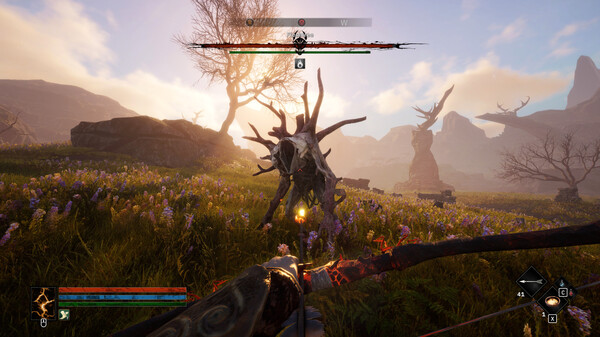
Tainted Grail: The Fall of Avalon is a compelling dark fantasy open-world RPG that invites players into a hauntingly beautiful yet perilous realm. Set on the desolate island of Avalon, where King Arthur is long dead and ancient myths unravel, the game immerses players in a narrative riddled with the plague of Red Death and the ominous spread of Wyrdness. Humans are driven to seek new beliefs and survival as multiple factions vie for control of the island's fate.
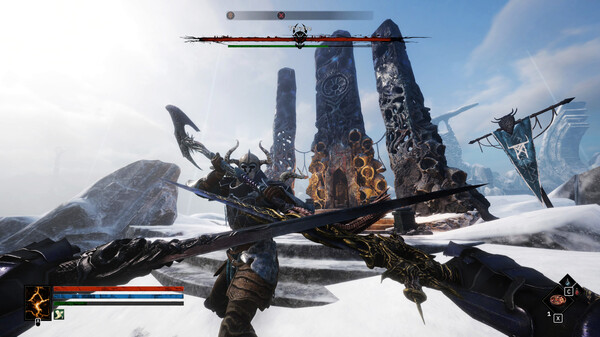
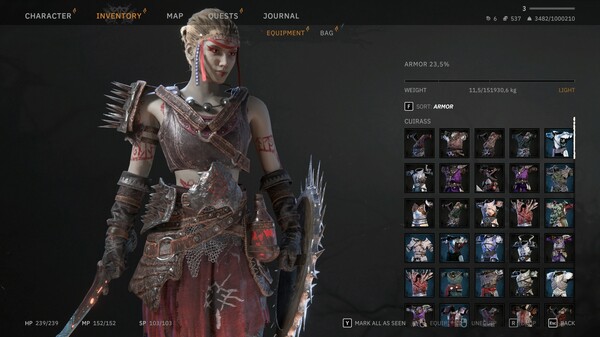
In this immersive experience, you can explore every corner of Avalon freely, choosing your path as a tanky soldier, agile hunter, powerful mage, or any other archetype you prefer. The game boasts a wealth of quests, loot, and combat strategies, allowing you to customize your character’s stats, perks, and equipment. Engage in thrilling battles, utilizing potions, daggers, and relics to overcome fearsome opponents.
Delve into a rich storyline populated with voiced quests, numerous choices, and multiple endings, ensuring each playthrough is unique. With Early Access content already offering substantial gameplay, Tainted Grail: The Fall of Avalon promises an ever-evolving experience shaped by player feedback, making it a must-try for fans of immersive RPGs.