

GWENT: The Witcher Card Game CD Key
Looking for the best price for GWENT: The Witcher Card Game? Compare offers from 1 stores on CheckGamePrices to find the cheapest Steam key available. Right now, the lowest price is 0.00$ at Steam.
Current Lowest Price
FREE

Visit store

Release Date
19 May, 2020
Publisher/Developer
CD PROJEKT RED
Reviews
Steam: 85.68% positive (23863/27850)
Metacritic: 80/100
Game Tags
System Requirements
Minimum:
- Requires a 64-bit processor and operating system
- OS: 7/8/8.1/10 (64 bit)
- Processor: Intel Celeron G1820 | AMD A4-7300
- Memory: 4 GB RAM
- Graphics: NVIDIA GeForce GT 730 | Radeon R7 240
Recommended games



GWENT: The Witcher Card Game Steam Price History Chart
Current Steam price: FREE
Lowest Steam price ever: FREE — 2026-10-21 — Current low
Lowest Steam price ever: FREE — 2026-10-21 — Current low
Loading GWENT: The Witcher Card Game price history chart...
GWENT: The Witcher Card Game Reviews Summary
Users wrote
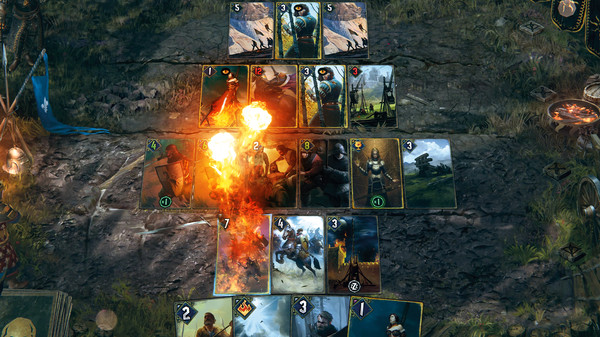
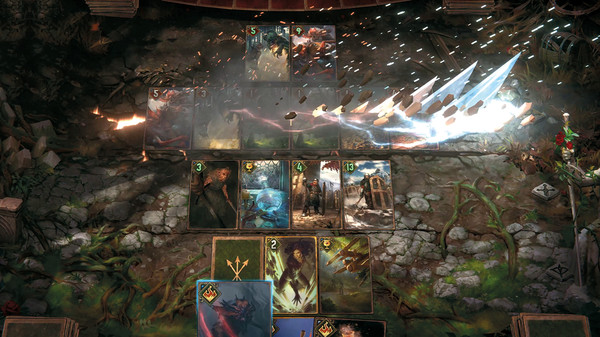
Gwent is widely praised for its deep strategic depth, round-based tactics, and the Witcher universe’s distinct atmosphere. The card art and animations are repeatedly highlighted as a standout, with varied factions offering different playstyles. Many reviews note that the game is free-to-play friendly and can be enjoyed without heavy spending. However, players also point to ongoing server issues, the end of official updates, and balance debates driven by the community, which can affect the experience.
Last updated: 2026-03-06
Most Mentioned Advantages
- Deep strategic depth and tactical play (24 mentions) - Gwent rewards careful planning and timing. Rounds carry real weight, and players must bluff, manage resources, and anticipate opponents. The different factions offer unique mechanics, making matches feel varied and intellectually demanding. This combination creates engaging, mind-driven gameplay rather than quick luck-based wins.
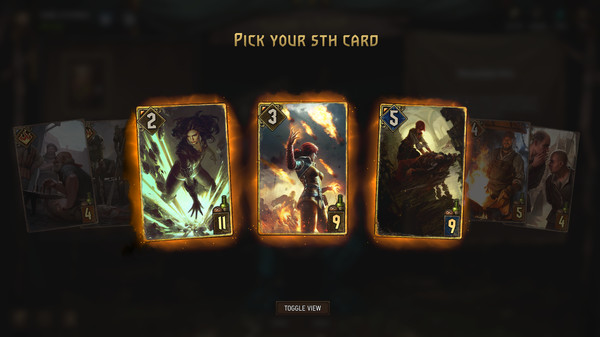
- Stunning art and Witcher atmosphere (18 mentions) - Card illustrations and animations are visually striking and richly detailed. The Witcher lore and mood shine through in the art, sound, and overall presentation. This aesthetic depth adds immersion and makes collecting and playing feel rewarding. Players often mention the atmosphere as a key reason to play.
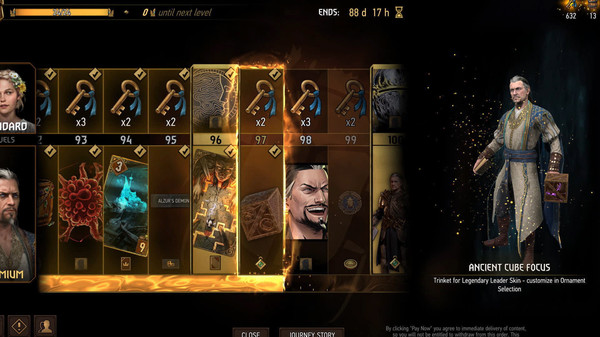
- Free-to-play friendly with accessible deck building (14 mentions) - Many reviews note that you can build a competitive deck without paying. Cards can be crafted using in-game resources, and progression rewards are accessible to free-to-play players. The game is praised for not forcing heavy spending to enjoy or compete. This reduces pressure compared to other digital card games.
- Community-driven balance and ongoing activity despite no official updates (10 mentions) - Even after development ended, players still participate in balance discussions and patches through community processes. The meta continues to evolve through user-driven adjustments. Active matchmaking and a dedicated fanbase help keep the game alive. The community approach is frequently cited as a positive aspect of the current state of the game.
- Factions with unique playstyles provide variety (9 mentions) - Each faction has its own identity and strategic approach, allowing for diverse deckbuilding and matchup experiences. The variety helps keep long-term play engaging for many players. This design encourages experimentation and replayability across matches.
Most Mentioned Disadvantages
- Development ended; official updates stopped (26 mentions) - A major downside cited is the end of official development and new content. While the community sometimes patches balance, there are no official card releases or major feature updates. This leads to perceived stagnation and concerns about long-term growth. Players sometimes feel the game could have benefited from continued support by the developers.
- Server connectivity and online reliability issues (20 mentions) - Numerous reviews report frequent disconnects, server timeouts, and matchmaking problems. Games can drop mid-rounds or fail to reconnect, which disrupts progression and ranking. Users in various regions experience unstable connections and long wait times. These issues significantly impact the online experience.
- Steep learning curve for new players (15 mentions) - Newcomers can struggle with the complex rules and deckbuilding decisions. Some tutorials are not revisitable, and understanding how to optimally assemble and pilot a deck takes time. The barrier to entry can deter casual players seeking quick matches. This challenge is repeatedly mentioned as a hurdle for onboarding new players.
- Pay-to-win perception and microtransactions (14 mentions) - Several reviews highlight monetization concerns, with mentions of a pay-to-win perception and microtransactions. Some players feel progression is slowed or gated by spending, while others note that cosmetic purchases are the main focus. This tension between free play and spending affects perceived fairness.
- Small/aging player base and matchmaking challenges (12 mentions) - A number of reviews point to a shrinking or inactive online population, leading to longer queues and more lopsided matches. Some players report difficulty finding opponents or facing highly optimized decks due to a smaller pool. This can make long-term engagement less rewarding.
Compared Games
- Gwent in The Witcher 3 (2 mentions) - Reviewers note that the standalone Gwent differs from the Witcher 3’s Gwent, with changes to rules and presentation, but some prefer the standalone for its depth and focus.
- Hearthstone (2 mentions) - A few reviews reference Hearthstone in the context of pay-to-win discussions and balance debates, noting differences in monetization and live support.
Users wrote
Advantages mentioned by the majority
Less frequently mentioned disadvantages
Comparisons to other games